
CURRENT AFFAIRS | MAY 5, 2026
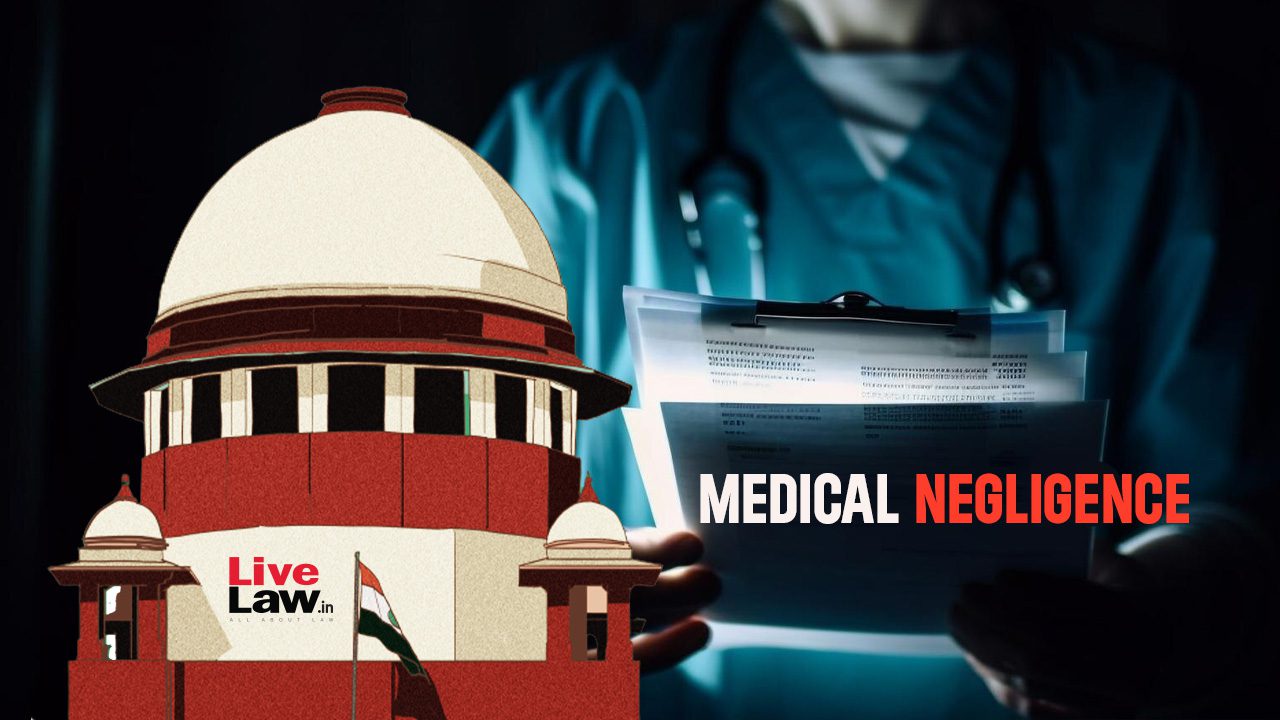
In a doctrinally significant ruling on 5 May 2026, the Supreme Court extended the common-law “eggshell-skull” (or thin-skull) rule to the quantum stage of medical-negligence claims, holding that a tortfeasor doctor must take the patient as found — pre-existing vulnerabilities that aggravate the injury are no defence to the full extent of damages. The Court further clarified that where the doctor dies during pendency, liability passes to the estate but recovery is capped at the value of the estate.
The Doctrinal Move
The eggshell-skull rule, traceable to Smith v Leech Brain & Co (1962) in English law, holds that once a defendant is found to have breached a duty of care, the defendant is liable for the full extent of the resulting injury — even where its severity is amplified by the victim’s pre-existing condition. The Supreme Court has now imported this rule firmly into Indian medical-negligence jurisprudence, alongside the established Bolam standard for breach and the Jacob Mathew v State of Punjab (2005) gross-negligence test for criminal liability.
🏛️ Constitutional & Statutory Framework
Medical negligence in India operates across three tracks: (i) civil liability in tort and under the Consumer Protection Act, 2019 — services rendered for consideration are “service” and patients are “consumers” (per Indian Medical Association v V P Shantha 1995); (ii) criminal liability under Section 304A of the IPC (now BNS 2023), governed by the Jacob Mathew standard of gross negligence or recklessness; (iii) professional discipline under the National Medical Commission Act, 2019. The eggshell-skull rule, being a damages-stage rule, applies wherever civil compensation is awarded.
⚖️ CLAT Angle — Why This Matters for Aspirants
This ruling unlocks several CLAT 2027 Legal Reasoning principle-fact set-ups: (i) thin-skull rule via Smith v Leech Brain; (ii) Bolam standard from Bolam v Friern Hospital (1957) — practice accepted as proper by a responsible body of medical professionals; (iii) Jacob Mathew for criminal-vs-civil distinction; (iv) res ipsa loquitur in medical negligence; (v) survival of tort actions against the estate. Expect questions framed around quantum, foreseeability of type vs extent of harm, and consumer-court jurisdiction.
📊 Key Facts at a Glance
| Doctrine / Case | Holding / Rule |
|---|---|
| Eggshell-Skull Rule | Tortfeasor takes victim as found; full damages even if pre-existing condition aggravates |
| Smith v Leech Brain (1962) | Foundational English authority for the thin-skull rule |
| Bolam v Friern Hospital (1957) | Standard of care = practice accepted by responsible body of medical professionals |
| Jacob Mathew v Punjab (2005) | Criminal medical negligence requires gross negligence/recklessness |
| IMA v V P Shantha (1995) | Medical service for consideration is “service” under consumer law |
| Estate Liability | Survives against estate; capped at estate value |
🧠 Mnemonic — “SBJ → Skull, Bolam, Jacob”
For medical negligence remember “SBJ”: Skull (eggshell-skull rule for damages quantum), Bolam (standard of care), Jacob Mathew (criminal-civil divide). Each governs a different stage of the inquiry — breach (Bolam), criminal threshold (Jacob), damages extent (Skull).
Test Your Understanding
Practice Quiz — 10 CLAT-Style Questions
Click an option to reveal the answer and explanation.