
CURRENT AFFAIRS | MAY 5, 2026
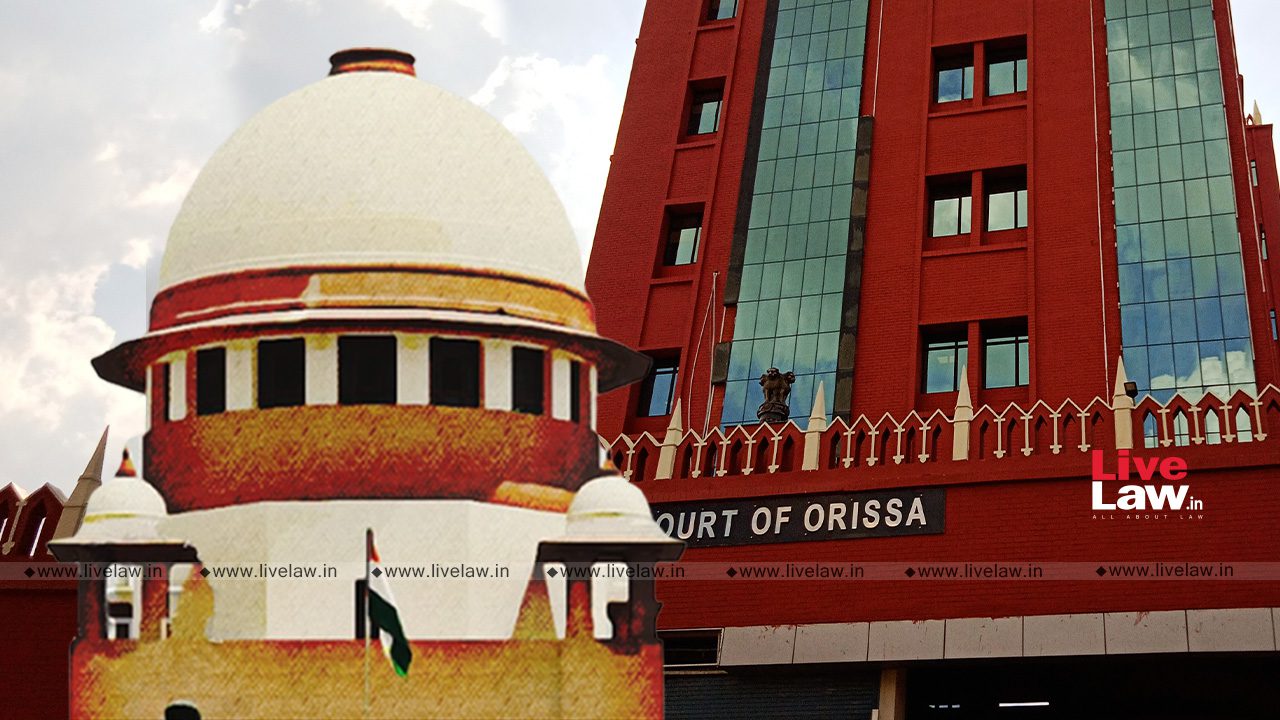
A bench led by Chief Justice of India Surya Kant on 5 May 2026 voided bail conditions imposed by the Odisha High Court on Dalit and Adivasi anti-mining protesters that required them to maintain a “clean police station” record — meaning no fresh complaints — failing which their bail would automatically stand cancelled. The Supreme Court labelled the conditions “obnoxious” for presuming continued guilt and for operating disproportionately against SC/ST accused.
What the Court Said
The Court reaffirmed the foundational proposition that “bail is the rule, jail the exception” — articulated by Justice V R Krishna Iyer in Moti Ram v State of MP (1978) — and held that bail conditions must be (i) reasonable, (ii) proportionate to the offence and risk of absconding, and (iii) non-discriminatory. A condition that automatically presumes future criminality, particularly when the accused belongs to a marginalised community frequently targeted by police complaints, is constitutionally untenable.
🏛️ Constitutional Framework
The Court invoked the trinity of Article 14 (equality before law and equal protection), Article 15 (prohibition of discrimination on grounds including caste), and Article 21 (life and personal liberty + fair, just and reasonable procedure). The judgment is reinforced by Hussainara Khatoon v State of Bihar (1979), which read the right to free legal aid and speedy trial into Article 21, and the presumption of innocence as a foundational tenet of criminal jurisprudence. The SC/ST (Prevention of Atrocities) Act, 1989 also overlays the protective architecture.
⚖️ CLAT Angle — Why This Matters for Aspirants
This judgment is a textbook intersection of three CLAT-favourite themes: (i) bail jurisprudence — Moti Ram, Hussainara Khatoon, Arnesh Kumar v Bihar (2014); (ii) substantive equality vs formal equality — facially neutral conditions that disparately burden a vulnerable class violate Article 14; (iii) caste-coded state action — engages Article 15(1) directly. Watch for principle-fact questions testing whether a condition is “reasonable”, and conceptual questions on the difference between “presumption of innocence” (criminal jurisprudence principle) and “presumption of constitutionality” (constitutional review).
📊 Key Facts at a Glance
| Item | Detail |
|---|---|
| Bench | CJI Surya Kant-led |
| Source HC Order | Odisha High Court |
| Impugned Condition | Maintain “clean police station” record (no fresh complaints) |
| Constitutional Violations | Articles 14, 15, 21 |
| Key Precedents | Moti Ram v MP (1978); Hussainara Khatoon v Bihar (1979) |
| Statutory Overlay | SC/ST (PoA) Act, 1989 |
| Doctrinal Anchor | Substantive equality; presumption of innocence |
🧠 Mnemonic — “14-15-21 + Moti Ram = Bail-Not-Jail”
Three articles + one case = the constitutional firewall against discriminatory bail. 14 (equality), 15 (no caste bias), 21 (fair procedure) and Moti Ram (1978) for the operative rule. A condition that flunks any one fails the constitutional test.
Test Your Understanding
Practice Quiz — 10 CLAT-Style Questions
Click an option to reveal the answer and explanation.