
CURRENT AFFAIRS | MARCH 30, 2026
CLAT GK + CRIMINAL LAW REFORM & FREE SPEECH
Telangana has introduced the Hate Speech and Hate Crimes (Prevention) Bill, 2026 in its Assembly, proposing a maximum imprisonment of up to 10 years for hate crimes. If passed, Telangana would become the second state after Karnataka to enact such legislation. The Bill raises fundamental questions about the limits of free speech under Article 19(1)(a), the scope of reasonable restrictions under Article 19(2), and the State’s power to criminalize hate-driven conduct.
What Does the Bill Propose?
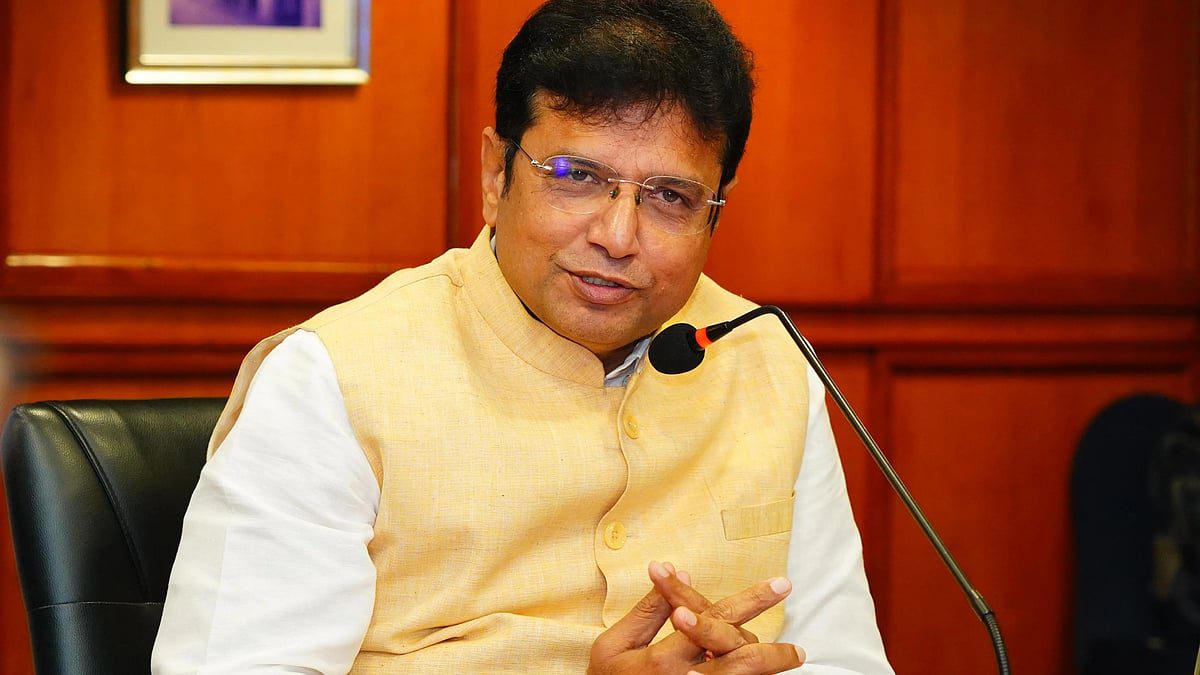
The Bill, introduced on 29 March 2026 by Legislative Affairs Minister D. Sridhar Babu on behalf of CM Revanth Reddy, contains the following key provisions:
- First offence: Imprisonment of not less than 1 year, extendable to 7 years, with a fine of Rs 50,000
- Repeated offences: Fine of Rs 1 lakh and imprisonment from 2 years up to 10 years
- Coverage: Speech made, published, or circulated that promotes hatred based on race, caste, religion, sex, gender, sexual orientation, disability, or tribe
- Definition of hate crime: Any communication of hate speech or act of promoting, propagating, inciting, abetting, or attempting such speech to cause disharmony
Why This Bill?
The Bill’s Statement of Objects and Reasons states that “the existing legal framework does not comprehensively address the evolving nature and manifestation of hate speech, and hate crimes.” While Section 153A IPC (now corresponding BNS provision) already criminalizes promoting enmity between groups, the Bill argues that a dedicated, comprehensive law is needed to address modern forms of hate — including online speech, social media posts, and digital content.
Constitutional Framework
- Article 19(1)(a): Guarantees freedom of speech and expression to all citizens. Any law restricting speech must satisfy the tests under Article 19(2).
- Article 19(2) — Reasonable Restrictions: Free speech can be restricted on 8 specific grounds: sovereignty and integrity of India, security of the State, friendly relations with foreign States, public order, decency or morality, contempt of court, defamation, and incitement to an offence.
- Article 15: Prohibits discrimination on grounds of religion, race, caste, sex, or place of birth. The Bill extends protection beyond these constitutional categories to include sexual orientation, disability, and tribe.
- Article 21: Right to life and personal liberty — hate speech and hate crimes directly threaten the life and dignity of targeted groups.
- Section 153A IPC: Criminalizes promoting enmity between different groups on grounds of religion, race, place of birth, etc. — the existing legal tool against hate speech.
CLAT Exam Angle
Hate speech laws are a perennial CLAT favourite. This Bill offers rich material for multiple question types:
- Legal Reasoning: Balancing free speech (Art 19(1)(a)) against public order and incitement — the Shreya Singhal v Union of India (2015) framework for vagueness and overbreadth
- Constitutional Law: Whether the Bill’s categories (sexual orientation, disability) go beyond Article 15’s enumerated grounds and whether this is constitutionally permissible
- Criminal Law: Comparison with Section 153A IPC, the concept of mens rea in hate crimes, and the proportionality of 10-year sentences
- Federalism: State legislature’s power to enact criminal law (Concurrent List, Entry 1, List III)
- Comparative law: Karnataka’s precedent as the first state with hate speech legislation
Political Controversy
The Bill has sparked significant political debate:
- BJP has called it “politically motivated” and aimed at silencing opposition voices, drawing parallels with Karnataka’s similar Congress-led legislation
- BRS leader Ravula Sridhar Reddy demanded unbiased implementation, raising concerns about selective enforcement
- Civil liberties advocates are divided — some welcome protection for vulnerable groups while others worry about chilling effects on legitimate criticism
The Shreya Singhal Standard
In Shreya Singhal v Union of India (2015), the Supreme Court struck down Section 66A of the IT Act as unconstitutional for being vague and overbroad. The Court distinguished between three categories: (i) discussion, (ii) advocacy, and (iii) incitement — holding that only incitement to imminent lawless action can be criminalized. Any hate speech law must satisfy this three-tier test to survive constitutional scrutiny.
Key Facts at a Glance
| Bill Name | Telangana Hate Speech and Hate Crimes (Prevention) Bill, 2026 |
| Max Punishment (First Offence) | 7 years + Rs 50,000 fine |
| Max Punishment (Repeat) | 10 years + Rs 1 lakh fine |
| Protected Categories | Race, caste, religion, sex, gender, sexual orientation, disability, tribe |
| First State with Such Law | Karnataka |
| Key Precedent | Shreya Singhal v UOI (2015) — vagueness/overbreadth test |
Mnemonic: “HATED” for Hate Speech Law Framework
H — Hate crime definition (promoting, inciting, abetting)
A — Article 19(1)(a) free speech vs Article 19(2) restrictions
T — Ten years maximum punishment (repeat offenders)
E — Eight protected categories (race, caste, religion, sex, gender, orientation, disability, tribe)
D — Discussion-Advocacy-Incitement test (Shreya Singhal)
The Telangana Hate Speech Bill represents a critical juncture in Indian criminal law reform. For CLAT aspirants, mastering the interplay between free speech guarantees and reasonable restrictions — and understanding landmark cases like Shreya Singhal — is essential for both the Legal Reasoning and GK sections.
Practice Quiz — 10 CLAT-Style Questions
Click an option to reveal the answer and explanation.