
CURRENT AFFAIRS | 13 APRIL 2026
CLAT GK + INTERNATIONAL LAW & CONSTITUTIONAL LAW
What Happened: US-Iran Peace Talks Collapse, Hormuz Blockade Announced
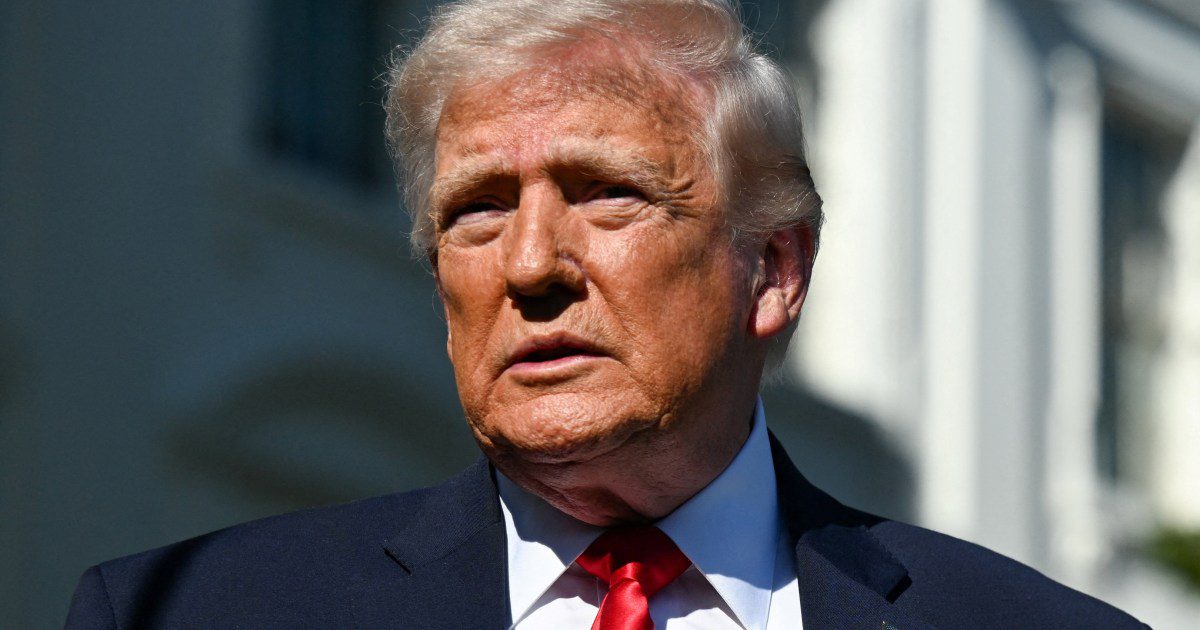
In a dramatic escalation of the ongoing US-Iran conflict, US President Donald Trump announced on April 12, 2026, that the US Navy would impose a full naval blockade on the Strait of Hormuz after marathon peace talks with Iran in Islamabad ended without a deal. The negotiations, which lasted over 21 hours, were led by US Vice President JD Vance and involved Iranian and Pakistani negotiators in a rare face-to-face summit.
The talks broke down over fundamental disagreements. Iran demanded full sovereign control over the Strait of Hormuz, payment of war reparations, and a comprehensive ceasefire across the region including Lebanon. The US side insisted that Iran abandon its nuclear weapons programme, a condition Tehran rejected outright. Iran’s Parliament Speaker blamed the United States for failing to build trust with Tehran, while Iran’s Revolutionary Guards warned that any military vessels approaching the strait would be considered a ceasefire breach.
President Trump responded by ordering CENTCOM to begin the blockade, stating the US Navy would “seek and interdict every vessel in international waters that has paid a toll to Iran.” The US also threatened to impose 50% tariffs on countries shipping weapons to Iran. The collapse of these talks raises the spectre of a wider war and deepening global economic crisis, as the Strait of Hormuz carries approximately 20% of the world’s oil supply. For India, which imports approximately 80% of its crude oil via sea routes, this development has direct implications for energy security, inflation, and strategic foreign policy.
Constitutional & Legal Framework
- Article 51 (DPSP): Directs the State to promote international peace and security, maintain just and honourable relations between nations, foster respect for international law, and encourage settlement of international disputes by arbitration.
- UNCLOS Part III (Articles 34-45): Governs Transit Passage through straits used for international navigation. Transit passage is a right that cannot be suspended or impeded by the strait state. It is distinct from innocent passage (Part II, Art. 19).
- UN Charter Article 2(4): Prohibits the threat or use of force against the territorial integrity or political independence of any state — a foundational principle of modern international law.
- JCPOA (Joint Comprehensive Plan of Action, 2015): The Iran Nuclear Deal signed between Iran and the P5+1 (US, UK, France, Russia, China, Germany). The US withdrew unilaterally in 2018 under Trump’s first term. The deal’s collapse is central to the current crisis.
- San Remo Manual (1994): Codifies customary international law on naval blockades during armed conflicts at sea. A blockade must be declared, notified, effective, and must not cause disproportionate harm to civilians.
- Customary International Law on Blockades: A naval blockade is traditionally considered an act of war. It must comply with principles of necessity, proportionality, and distinction under International Humanitarian Law (IHL).
Why This Matters for CLAT
This topic is a goldmine for CLAT 2027 aspirants as it sits at the intersection of multiple exam-relevant areas:
- International Law Questions: UNCLOS provisions on freedom of navigation, transit passage vs. innocent passage, and the legal status of international straits are frequently tested in CLAT Legal Reasoning passages.
- DPSP Application: Article 51 is a classic GK question. Understanding how India’s foreign policy is guided by constitutional principles helps in both GK and Legal Reasoning sections.
- Current Affairs + Legal Reasoning Hybrid: CLAT increasingly tests the ability to apply legal principles to current events. Questions may present a passage about the blockade and ask you to identify which principle of international law is violated.
- India’s Energy Security: The economic impact on India (80% oil imports via sea, dependence on Gulf nations) is a strong GK angle. Questions about India’s strategic interests, Look East/Act East policy, and energy diplomacy are common.
- UN Charter & Use of Force: The legality of unilateral blockades under the UN Charter is a nuanced topic that tests higher-order legal reasoning — exactly what CLAT demands.
Key Facts at a Glance
| Event | US-Iran peace talks fail in Islamabad; US announces Hormuz blockade |
| Date | April 12, 2026 |
| US Delegation Led By | Vice President JD Vance |
| Strait of Hormuz | Connects Persian Gulf to Gulf of Oman; carries ~20% of global oil |
| UNCLOS Part III | Transit Passage regime — cannot be suspended by coastal state |
| JCPOA | Iran Nuclear Deal (2015) — P5+1 nations; US withdrew in 2018 |
| Art. 51 DPSP | Promotion of international peace and security |
| UN Charter Art. 2(4) | Prohibition on use of force against territorial integrity |
| India Impact | 80% oil imports via sea; direct threat to energy security |
Mnemonic: HORMUZ
- H — Hormuz strait (Persian Gulf to Gulf of Oman)
- O — Oil chokepoint (20% of world supply)
- R — Right of Transit Passage (UNCLOS Part III)
- M — Military blockade = act of war under international law
- U — UN Charter Art. 2(4) — no use of force
- Z — Zero deal — talks collapsed after 21+ hours
Test Your Knowledge
Practice Quiz — 10 CLAT-Style Questions
Click an option to reveal the answer and explanation.