
CURRENT AFFAIRS | 8 APRIL 2026
CLAT GK + INTERNATIONAL LAW
The US-Iran conflict has escalated dramatically, with American airstrikes targeting Kharg Island — Iran’s most critical oil export hub — and Tehran residential neighbourhoods. As the UN Security Council remains paralysed by vetoes, the crisis raises fundamental questions about the international legal framework governing the use of force, self-defence, and freedom of navigation. For CLAT 2027 aspirants, this is a goldmine of international law, constitutional law, and GK concepts.
What Happened: The Escalation Timeline
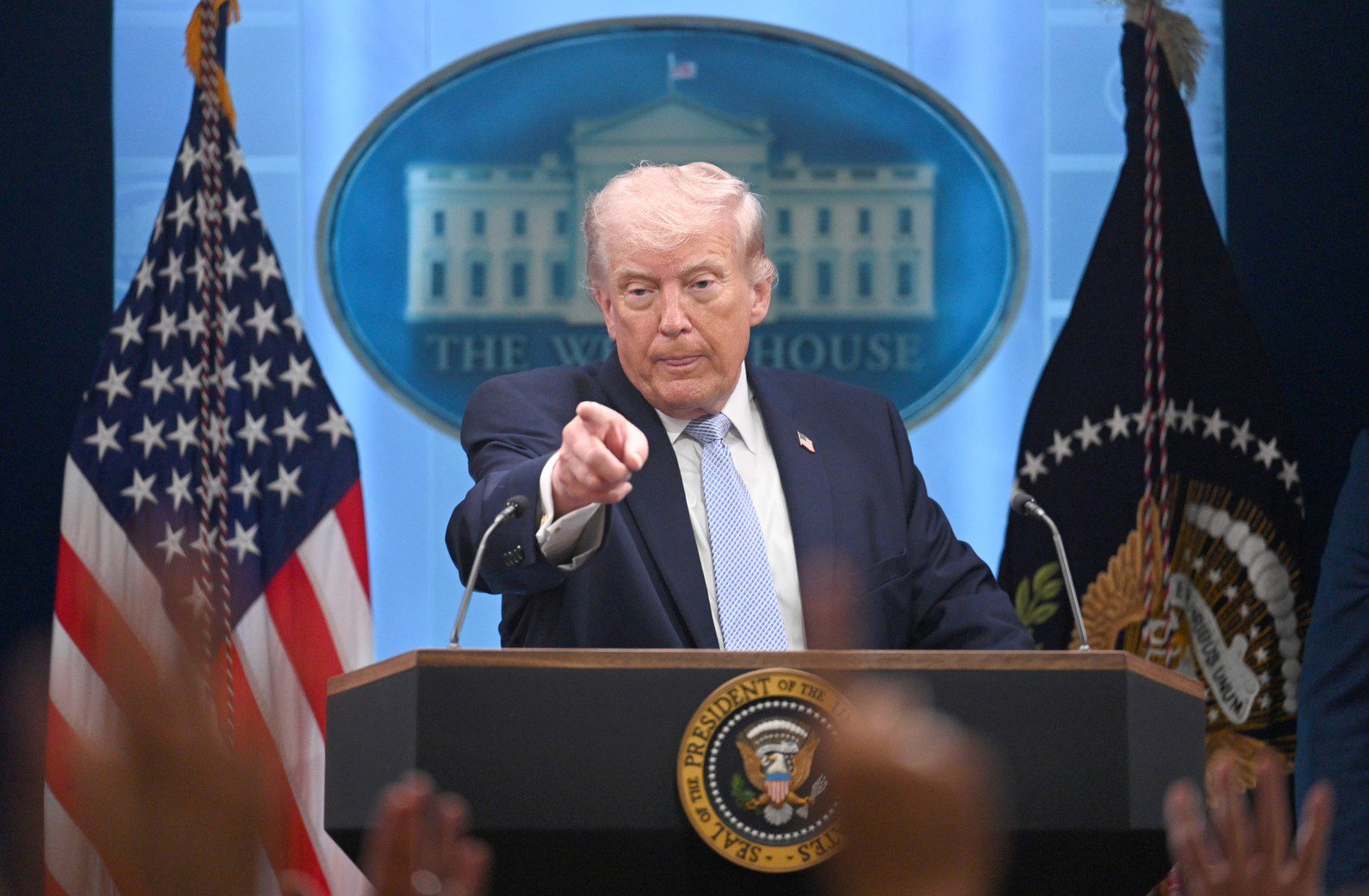
US President Trump threatened that “whole civilisation will die” if Iran rejects deal terms. American forces struck military installations on Kharg Island, which handles approximately 90% of Iran’s oil exports. The strikes destroyed bridges, train stations, and critical infrastructure on the island. Tehran’s residential neighbourhoods were also pounded by airstrikes, drawing global condemnation.
Before the deadline of 8 PM Washington time (5:30 AM IST), Iran had not agreed to reopen the Strait of Hormuz — through which roughly 20% of the world’s oil supply transits daily. Iranian officials urged citizens to form human chains around power plants, with 14 million Iranians reportedly volunteering.
UNSC Deadlock: The Veto in Action
At the United Nations Security Council, Bahrain introduced a resolution to protect commercial shipping in the Strait of Hormuz. The 15-member council voted 11 in favour, 2 against (China and Russia), with 2 abstentions. Under the UNSC voting mechanism, the resolution failed because China and Russia — both permanent members — exercised their veto power under Article 27 of the UN Charter. France called for restraint, while Iran’s UN representative warned of “immediate and proportionate reciprocal measures.”
The Gulf nations have faced over 2,500 attacks, 10 civilian deaths, and 200+ injuries. Saudi Arabia and UAE remain divided — Saudi Arabia fears for its major refinery infrastructure while the UAE worries about broader economic impact.
UN Charter Article 2(4): Prohibits the threat or use of force against the territorial integrity or political independence of any state. The US strikes on Iranian territory prima facie violate this foundational principle.
UN Charter Article 51: Recognises the inherent right of individual or collective self-defence if an armed attack occurs. The US may argue its strikes were pre-emptive self-defence, but the ICJ has interpreted this narrowly.
Article 27 (Veto Mechanism): Decisions on non-procedural matters in the UNSC require 9 affirmative votes with no veto from any of the 5 permanent members (P5). China and Russia’s vetoes blocked the Bahrain resolution, exposing the structural limitation of the Security Council.
Indian Constitution — Article 51 (DPSP): Directs the State to promote international peace and security, maintain just and honourable relations between nations, and foster respect for international law.
Article 253: Empowers Parliament to make laws for implementing any treaty, agreement, or convention with any other country — even on State List subjects.
Key Legal Precedents
Nicaragua v United States (ICJ 1986): The ICJ ruled that US support for Contras and mining of Nicaraguan harbours violated the prohibition on the use of force under customary international law. The Court rejected the US claim of collective self-defence. This case is directly relevant — it establishes that military operations against a sovereign state violate international law even when framed as defensive measures.
Corfu Channel Case (ICJ 1949): Established the principle that every state has an obligation not to knowingly allow its territory to be used for acts contrary to the rights of other states. Also established the right of innocent passage through international straits.
UNCLOS Transit Passage: Under Part III of UNCLOS, the Strait of Hormuz is governed by the transit passage regime, meaning all ships and aircraft enjoy the right of unimpeded transit. Any blockade raises serious questions under international maritime law.
Exam Tip: CLAT frequently tests the tension between Article 2(4) prohibition on force and Article 51 self-defence exception. Remember: self-defence must be proportionate and necessary, and must be reported to the UNSC immediately.
Strait of Hormuz: Strategic Significance
The Strait of Hormuz is a narrow waterway between Iran and Oman connecting the Persian Gulf to the Gulf of Oman and the Arabian Sea. It is the world’s most important oil chokepoint — approximately 20% of global oil supply (about 21 million barrels per day) transits through it. Any disruption directly impacts global energy prices and India’s energy security, as India imports about 85% of its crude oil.
| Kharg Island | Handles ~90% of Iran’s oil exports |
| Strait of Hormuz | ~20% of world oil transits daily |
| UNSC Vote | 11 for, 2 against (China, Russia), 2 abstentions |
| UN Charter Art 2(4) | Prohibition on use of force |
| UN Charter Art 51 | Self-defence exception |
| P5 Veto Power | Article 27, UN Charter |
| Iranian Volunteers | 14 million for human chains |
S — Self-defence (Art 51, must be proportionate + necessary)
H — Hormuz (20% world oil, transit passage under UNCLOS)
I — ICJ precedents (Nicaragua 1986, Corfu Channel 1949)
F — Force prohibition (Art 2(4), foundational UN principle)
T — Treaty power (Art 253, Parliament can legislate on international obligations)
Practice Quiz — 10 CLAT-Style Questions
Click an option to reveal the answer and explanation.