

CURRENT AFFAIRS | 8 APRIL 2026
CLAT GK + TRUST LAW & CORPORATE GOVERNANCE
• Trust law — Indian Trusts Act 1882, Bombay Public Trusts Act 1950
• Settlor’s intent vs public interest in charitable trusts
• Article 26 — Freedom to manage religious affairs
• Article 14 — Right to equality vs religious restrictions
• Corporate governance in charitable institutions (SEBI oversight)
What Happened: The Tata Trusts Controversy
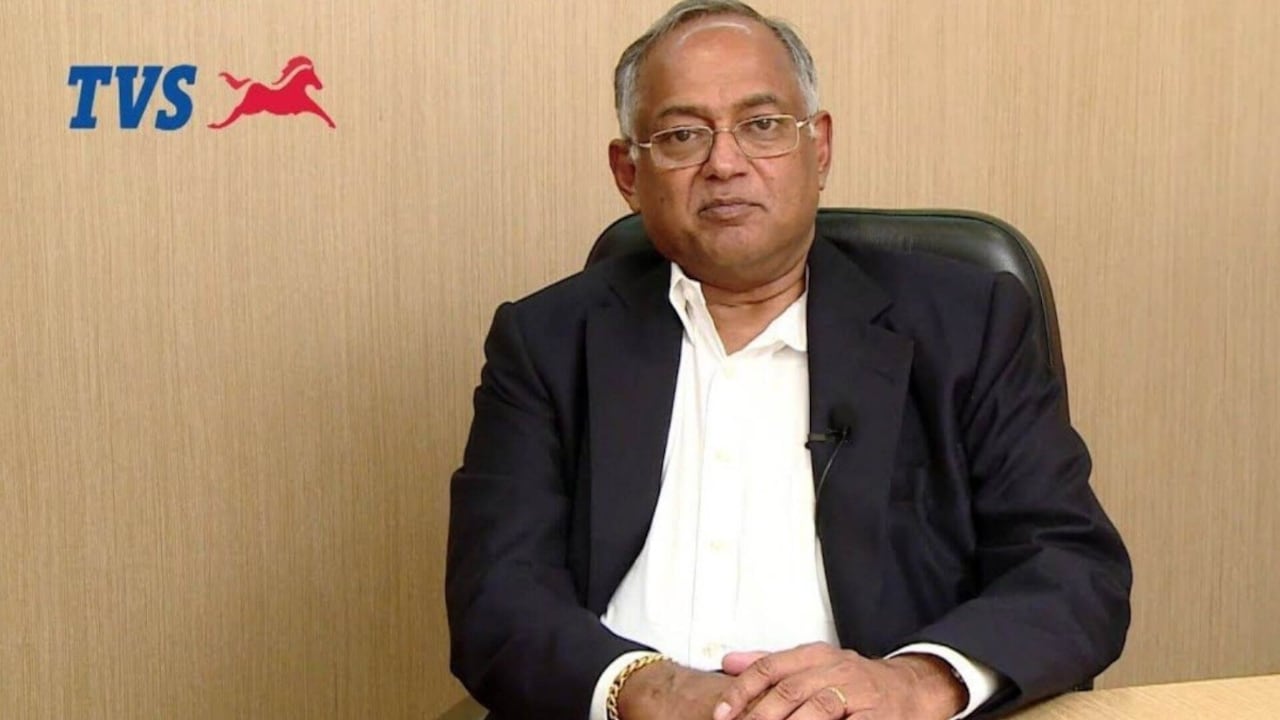
A significant governance dispute has erupted within Tata Trusts, one of India’s largest philanthropic organisations. Tata Trusts Chairman Noel Tata asked CEO Siddharth Sharma to request two non-Zoroastrian trustees — Venu Srinivasan (Chairman Emeritus, TVS Motor) and Vijay Singh — to voluntarily step down from the Bai Hirabai Jamsetji Tata Navajbai Charitable Institution (BHJTNCI).
The trust leadership’s position was that irrespective of legal opinions and past precedent, anyone could question the appointment of non-Zoroastrian trustees. Venu Srinivasan stepped down following the request, but Vijay Singh declined to resign.
Meanwhile, former Tata Trusts trustee Mehli Mistry filed an affidavit with the Maharashtra Charity Commissioner on April 4, 2026, challenging the eligibility of both non-Parsi vice-chairmen under the trust deed.
The Legal Framework: Trust Deed vs Fundamental Rights
- Indian Trusts Act 1882 — Section 3 defines a trust as “an obligation annexed to ownership of property, arising out of a confidence reposed in the trustee.” The settlor’s intent is paramount.
- Bombay Public Trusts Act 1950 — Regulates public charitable and religious trusts in Maharashtra. The Charity Commissioner has oversight powers including approving trustee appointments.
- Article 26 — Guarantees every religious denomination the right to manage its own affairs in matters of religion and administer its property.
- Article 14 — Guarantees equality before law. The question is whether religious restrictions in a trust deed violate this right.
- Companies Act 2013 — Governs corporate governance of listed companies associated with charitable trust groups.
The trust deed dated December 1923 specifically mandates that all trustees must be Zoroastrian (Parsi). The trust maintains that Bai Hirabai specifically prohibited non-Zoroastrians from serving as trustees. However, former Chief Justice of India H.J. Kania had earlier expressed the considered opinion that there was no legal prohibition on non-Zoroastrians being inducted.
This creates a fundamental tension between two legal principles:
- Settlor’s intent — The principle that the person creating the trust has the right to set conditions, including religious restrictions
- Public interest and equality — The principle that charitable trusts serving public purposes should not discriminate based on religion
Key Cases and Precedents
• Tata Sons v Cyrus Mistry (2021 SC) — The Supreme Court upheld Tata Sons’ board decision to remove Cyrus Mistry as chairman, affirming board authority in corporate governance. This case established key principles about governance in entities connected to charitable trusts.
• Zoroastrian Cooperative Housing v District Registrar (2005) — The Supreme Court examined whether a cooperative housing society could restrict membership based on religion. The court upheld the Zoroastrian community’s right to maintain exclusivity in their housing society under Article 26.
• The cy-pres doctrine allows courts to modify trust purposes to approximate the settlor’s intent when the original purpose becomes impossible — could this apply to religious restrictions?
The Charity Commissioner’s Role and SEBI Oversight
The Charity Commissioner of Maharashtra has written to Tata Trusts regarding this dispute. Under the Bombay Public Trusts Act 1950, the Charity Commissioner has the power to:
- Investigate complaints about trust administration
- Approve or reject trustee appointments
- Apply to court for removal of trustees acting contrary to trust interests
- Ensure compliance with trust deed provisions
SEBI (Securities and Exchange Board of India) has also previously examined Tata group governance, as Tata Trusts holds a controlling 66% stake in Tata Sons, the holding company of the $365 billion Tata Group. Corporate governance in charitable trust-controlled business empires remains a significant regulatory concern.
| Trust in dispute | Bai Hirabai Jamsetji Tata Navajbai Charitable Institution |
| Trust deed date | December 1923 |
| Restriction | Only Zoroastrian trustees permitted |
| Resigned | Venu Srinivasan (TVS Motor Chairman Emeritus) |
| Declined to resign | Vijay Singh |
| Tata Trusts stake in Tata Sons | ~66% |
| Key legislation | Indian Trusts Act 1882, Bombay Public Trusts Act 1950 |
T — Trust deed (settlor’s intent is paramount)
R — Religious restrictions under Article 26
U — Underlying tension with Article 14 equality
S — SEBI and Charity Commissioner oversight
T — Tata Sons v Mistry (2021) precedent
Source: The Indian Express (Delhi Edition) — 8 April 2026
Practice Quiz
Test your understanding with these 10 MCQs:
Practice Quiz — 10 CLAT-Style Questions
Click an option to reveal the answer and explanation.