CURRENT AFFAIRS | 18 APRIL 2026
CLAT GK + CONSTITUTIONAL LAW & RELEVANT AREA
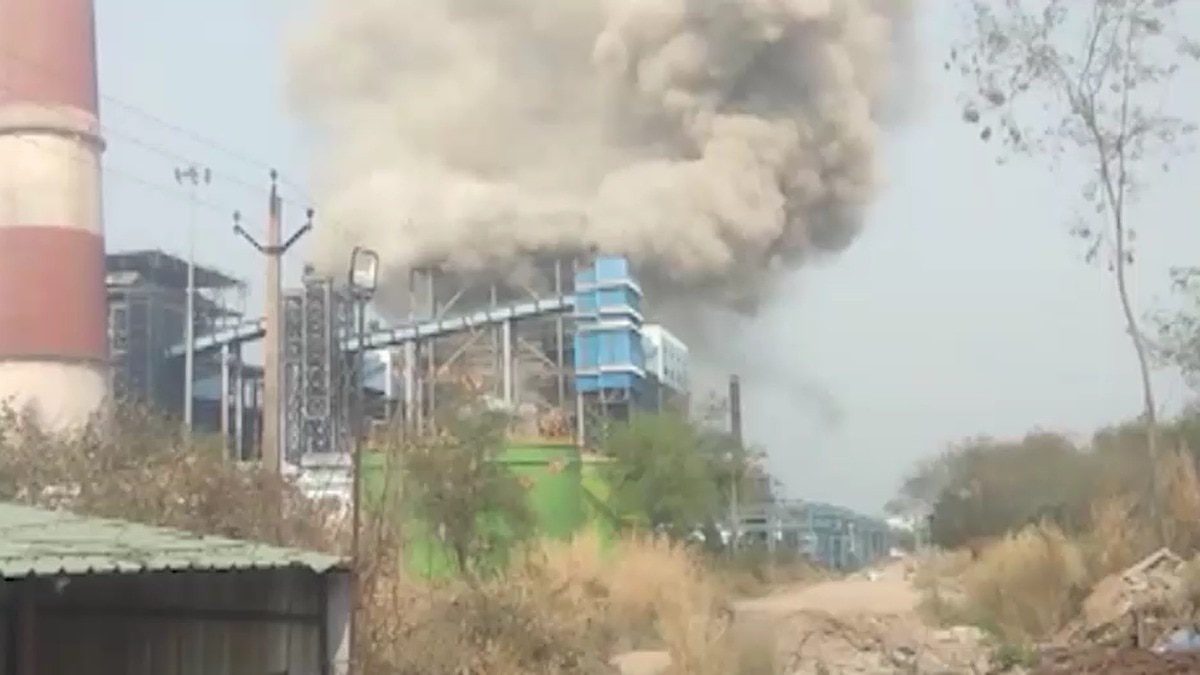
On 14 April 2026, a catastrophic boiler explosion at Vedanta’s 600 MW Athena Power plant in Singhitarai, Chhattisgarh killed 21 workers and injured 21 more. Preliminary findings suggest a Primary Air (PA) fan failure caused excessive fuel accumulation in the boiler furnace, leading to a pressure build-up and a coal-pipe rupture. Chhattisgarh CM ordered a high-level inquiry; the State Police have registered an FIR naming Vedanta Group Chairman Anil Agarwal and plant head Devendra Patel, alongside 8-10 other officials, for negligence. Congress MLA Charan Das Mahant has demanded culpable homicide charges.
The Central Electricity Authority (CEA) has cited the 2017 Feroze Gandhi Unchahar (NTPC) precedent — a fly-ash duct rupture that killed 45 — as structurally analogous. For law students, Singhitarai squarely engages the bedrock of Indian environmental tort and industrial-accident liability: M.C. Mehta v UoI‘s absolute liability doctrine, Rylands v Fletcher strict liability, the Factories Act 1948, BNS Section 106, and the Public Liability Insurance Act 1991 that emerged from Bhopal.
Constitutional & Legal Framework
Factories Act 1948: Sec 7A imposes a general duty on the occupier to ensure health, safety and welfare of workers; Sec 21-40 specify machinery and hazardous-process safeguards; Sec 41-41H cover hazardous processes and site appraisal; penalties under Sec 92 (fine + imprisonment up to 2 years) and Sec 96A (up to 7 years for hazardous-process contravention causing death/serious injury).
BNS Section 106 (2023): Replaces IPC 304A/304. Sec 106(1) — causing death by rash/negligent act not amounting to culpable homicide — 5 years + fine. Sec 106(2) — hit-and-run with fleeing — 10 years. In grave corporate negligence, charges under Sec 105 (culpable homicide not amounting to murder, up to 10 years/life) may lie if knowledge is shown.
Public Liability Insurance Act 1991: No-fault liability for industrial accidents involving hazardous substances; mandates insurance and interim relief. Emerged directly from the Bhopal Gas Tragedy (1984) response gap.
Electricity Act 2003 Sec 53: Empowers the CEA to specify safety requirements; CEA (Measures relating to Safety and Electric Supply) Regulations 2010 operationalise it. Environment (Protection) Act 1986 (enacted under Art 253 to implement the 1972 Stockholm Declaration) adds parallel penalties.
Landmark cases: M.C. Mehta v UoI (1987, Oleum Gas Leak / Shriram) — absolute liability for hazardous enterprise, stricter than strict liability, no exceptions. Rylands v Fletcher (1868) — English origin; dangerous thing escaping triggers strict liability. Union Carbide v UoI (Bhopal jurisprudence) — parens patriae, enterprise liability, interim relief. Indian Council for Enviro-Legal Action v UoI (1996) — polluter pays principle.
CLAT Angle — Why This Matters
Industrial-accident fact patterns are classic CLAT legal-reasoning material. Singhitarai is a textbook M.C. Mehta absolute liability case — a hazardous enterprise (thermal power plant with high-pressure boilers and pulverised coal) causing worker deaths, with no entitlement to Rylands-style exceptions (act of God, third-party intervention, statutory authority). Expect questions that require students to distinguish strict liability (Rylands) from absolute liability (Mehta) and apply them to the facts. BNS Sec 106 has just entered force — CLAT 2027 will test it against IPC 304A to ensure students have transitioned. The FIR against the chairman raises corporate-liability questions: can a group chairman be personally charged under Sec 106 without direct operational role? Vicarious and enterprise-liability doctrines become relevant.
Key Facts at a Glance
| Element | Detail |
|---|---|
| Incident | 14 Apr 2026 boiler blast, Vedanta Athena 600 MW plant, Singhitarai, Chhattisgarh |
| Casualties | 21 dead, 21 injured (toll rising) |
| Cause (preliminary) | Primary Air (PA) fan failure → fuel accumulation → pressure spike → explosion |
| FIR named | Anil Agarwal, Devendra Patel + 8-10 others |
| Compensation | Rs 5 lakh (deceased), Rs 50,000 (injured) |
| Precedent cited | NTPC Unchahar 2017 (45 dead, fly-ash duct rupture) |
| Key statutes | Factories Act 1948 · BNS Sec 106 · PLI Act 1991 · Electricity Act 2003 · EPA 1986 |
| Leading cases | M.C. Mehta 1987 · Rylands v Fletcher 1868 · Bhopal jurisprudence |
Mnemonic — “FIRE-B”
Remember the pillars of industrial-accident liability:
Factories Act Sec 7A (occupier duty) · Insurance (Public Liability Insurance Act 1991) · Rylands v Fletcher (strict liability) · Environment (Protection) Act 1986 · BNS Sec 106 + M.C. Mehta absolute liability.
Absolute Liability vs Strict Liability — the Shriram Distinction
In M.C. Mehta v UoI (1987), the Supreme Court confronted an oleum gas leak at Shriram Foods. Rather than applying Rylands’ strict liability (which allows defences like act of God, third-party acts, act of the plaintiff, or statutory authority), the Court crafted a tougher rule: an enterprise engaged in a hazardous or inherently dangerous activity owes an absolute and non-delegable duty to those affected. No exceptions are available. The measure of compensation must correlate to the enterprise’s capacity — “the larger the enterprise, the larger the compensation”. This doctrine, combined with the Bhopal jurisprudence, forms the backbone of Indian environmental-industrial tort.
What Should Happen Next
The PA-fan theory implicates the occupier’s Sec 7A duty to ensure machinery is safe — breach of which, combined with fatalities, routinely triggers prosecution under Sec 92 and BNS Sec 106. The National Green Tribunal (NGT Act 2010) has suo motu jurisdiction to direct compensation under the polluter-pays principle from Indian Council for Enviro-Legal Action. The Supreme Court can also direct CBI-supervised investigation; CLAT aspirants should track whether the matter escalates to the apex court under Article 32 public-interest jurisdiction.
Sources: Business Today, National Herald, The Week (April 2026).
Practice Quiz — 10 CLAT-Style Questions
Click an option to reveal the answer and explanation.