
CURRENT AFFAIRS | 18 APRIL 2026
CLAT GK + CONSTITUTIONAL LAW & RELEVANT AREA
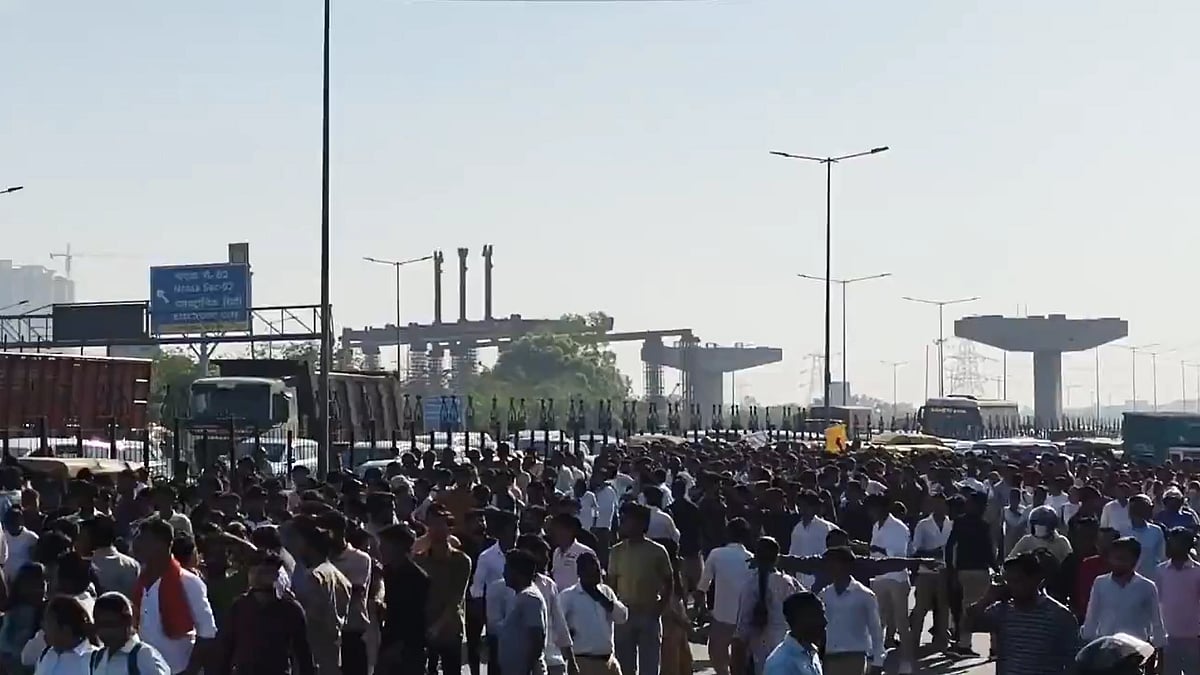
The Noida workers’ strike that began on 10 April 2026 spilled into its fourth day with tear-gas lathicharges across Phase 2 and Sector 60, after Haryana’s 35% minimum wage revision triggered pay-parity demands on the UP side of the border. By 13 April, police had arrested about 400 protesters across 80 industrial locations, registered 7 FIRs, and the Uttar Pradesh government announced an interim hike. Garment, hosiery and electronics workers rejected it as ‘insufficient’.
At the heart of the dispute is an arithmetic collapse: the basic pay component of the minimum wage has not been statutorily revised in Haryana since 2015 and in UP since 2014, though the Minimum Wages Act 1948 prescribes revision at intervals of not more than five years. The National Floor Wage under Sec 9 of the Code on Wages 2019 remains un-notified. And the house-rent allowance in the current MW formula is pegged at 10% of expenditure — in Noida/Gurugram, housing is closer to 35%.
Constitutional & Legal Framework
- Art 23: Prohibition of traffic in human beings and forced labour (begar). Paying below minimum wage amounts to forced labour.
- Art 43 (DPSP): State to secure a living wage, decent conditions of work and social/cultural opportunities; Art 43A adds workers’ participation in management.
- Art 41: Right to work and public assistance (DPSP).
- Minimum Wages Act 1948: Central & state ‘appropriate governments’ fix/revise wages for scheduled employments; Sec 3(1)(b) — revision maximum every 5 years.
- Code on Wages 2019: Sec 6 (minimum wage), Sec 8 (revision), Sec 9 (National Floor Wage — Centre), subsumes the 1948 Act once fully notified.
- ILO C131 (1970): Minimum Wage Fixing Convention — India not ratified but aligned in spirit.
- Key precedents: People’s Union for Democratic Rights v UoI (1982, Asiad Workers) — wage below MW = forced labour under Art 23; Sanjit Roy v Rajasthan (1983) — even famine relief requires statutory minimum; Bandhua Mukti Morcha v UoI (1984) — court-driven release and rehabilitation of bonded labour.
CLAT Angle — Why This Matters
The Noida protest is the most CLAT-fertile labour story of 2026. It lets examiners run three pathways: (i) Fundamental Right angle — Art 23 as read in PUDR, converting an economic right (MW) into an enforceable fundamental right; (ii) DPSP hierarchy — Art 41 (right to work) vs Art 43 (living wage), both non-justiciable but increasingly applied by courts via Art 21; (iii) statutory reform — Code on Wages 2019 vs the older Minimum Wages Act 1948. Watch for MCQs contrasting “minimum wage” (subsistence), “fair wage” and “living wage” (Committee on Fair Wages 1948).
Key Facts at a Glance
| Element | Detail |
|---|---|
| Strike start | 10 April 2026, Phase 2 Hosiery Complex |
| Violence escalation | 13 April 2026 |
| Arrests | ~400 (392 men, 4 women) |
| Locations | 80 industrial sites; 40,000+ workers |
| Haryana hike (Apr 9) | ~35% on minimum wage |
| Last UP MW basic revision | 2014 (statute: 5-year cycle) |
| National Floor Wage | Unnotified (Code Sec 9) |
| Landmark case | PUDR v UoI (1982) — Art 23 |
Mnemonic
“WAGES” — Workers’ Art 23 shield (PUDR), Art 43 living-wage goal, Government revision every 5 yrs, Enforcement under Code on Wages Sec 6/8/9, Sanjit Roy rule (even famine work pays minimum).
Practice Quiz — 10 MCQs
Test yourself on the minimum wage regime and forced-labour jurisprudence.
Practice Quiz — 10 CLAT-Style Questions
Click an option to reveal the answer and explanation.