
CURRENT AFFAIRS | 26 APRIL 2026
CLAT GK + Art, Culture and Constitutional Heritage
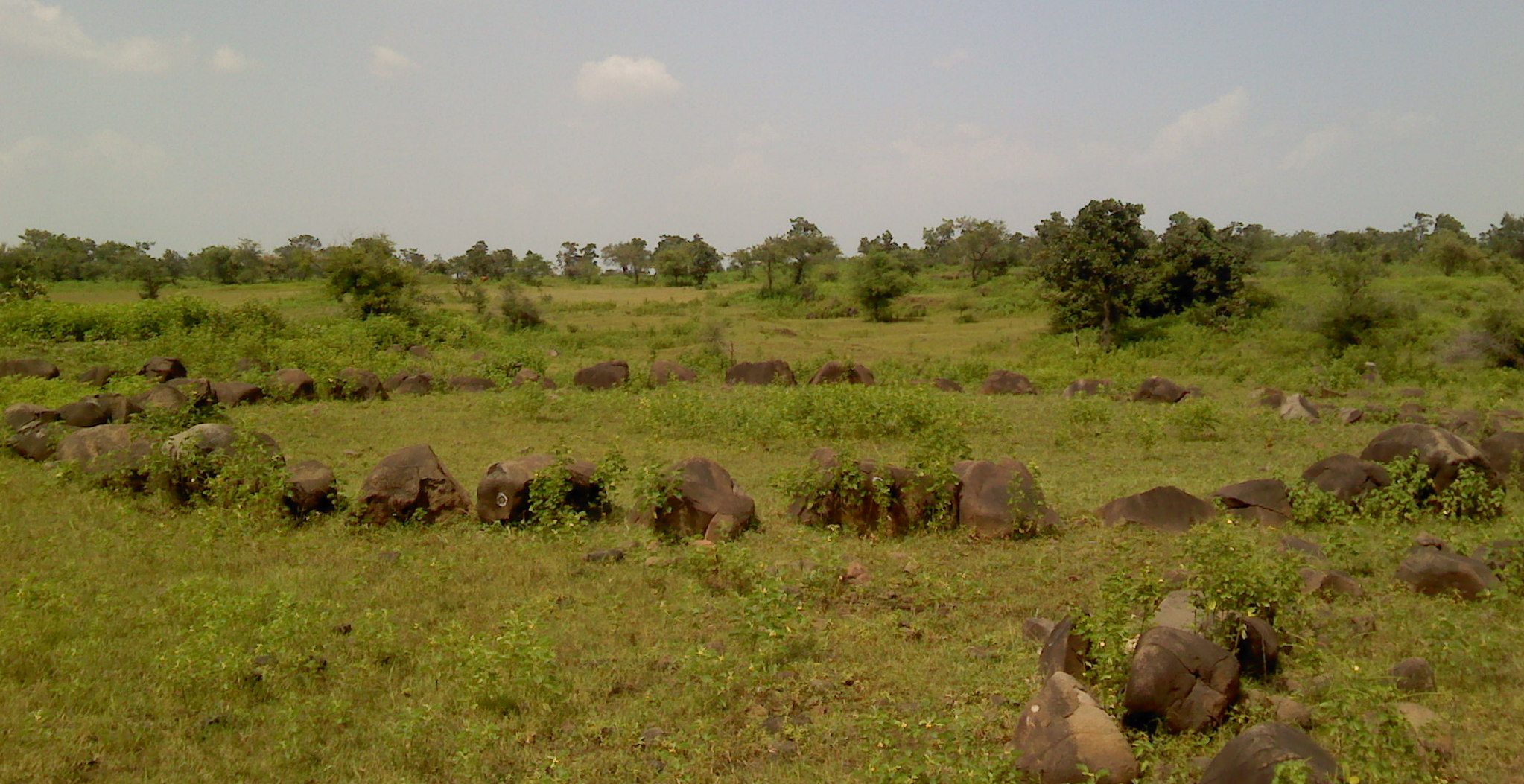
Archaeologists from Rashtrasant Tukadoji Maharaj Nagpur University (RTMNU), led by Prof Prabash Sahu (Head, Dept of Ancient Indian History, Culture and Archaeology), have reported a striking 2,500-year-old composite megalithic burial site at Virli Khandar in Pauni tehsil, Bhandara district, Maharashtra. First reported in 2008 and now under fresh excavation, the site features 69 megalithic burials — composite stone circles WITH menhirs (tall standing stones) — of which 4 have been excavated. Finds include copper objects, iron implements, semi-precious stone beads, etched carnelian beads and a gold earring. Most striking: a cluster of nearly 50 pots placed UPSIDE-DOWN within burial context (23 inverted-cover pairs = 46 pots), a ritual variation rare in Vidarbha’s wider megalithic landscape that includes Mahurzhari, Naikund, Junapani and Pimpalpaur.
Constitutional / Legal Framework
- Megalithic Culture — Iron Age (c. 1500 BCE – 500 CE) tradition of burials marked by large stones; types include cist burials, dolmens, menhirs, stone circles, urn burials.
- Vidarbha megaliths — a distinct cluster in eastern Maharashtra (Mahurzhari, Naikund, Junapani, Pimpalpaur, Borgaon, Khairwada, Virli Khandar); known for horse furniture and iron objects.
- Mahajanapada context — overlaps with the rise of 16 Mahajanapadas (c. 600 BCE) and the consolidation of iron metallurgy across the Indo-Gangetic plains.
- AMS (Accelerator Mass Spectrometry) dating — modern radiocarbon technique that needs only milligram samples; standard for Indian megalithic chronologies today.
- Archaeological Survey of India (ASI) — established 1861 under Alexander Cunningham; functions under the Ministry of Culture; custodian of centrally protected monuments.
- Ancient Monuments and Archaeological Sites and Remains Act, 1958 (AMASR) — primary statute; declares centrally protected monuments, regulates antiquities, prohibits construction in 100m “prohibited area” + 200m “regulated area”.
- AMASR (Amendment) Act, 2010 — created the National Monuments Authority (NMA) and the prohibited/regulated zones; 2017 amendment relaxed public-works rules in prohibited areas — controversial.
- Article 49 (DPSP) — “It shall be the obligation of the State to protect every monument or place or object of artistic or historic interest, declared by or under law made by Parliament to be of national importance, from spoliation, disfigurement, destruction, removal, disposal or export.”
- Article 51A(f), Fundamental Duty — “to value and preserve the rich heritage of our composite culture.”
- State List (List II) Entry 12 — libraries, museums and other similar institutions controlled or financed by the State; ancient and historical monuments other than those declared by Parliament to be of national importance.
Why This Matters for CLAT 2027
A near-perfect Art & Culture + Constitutional Law crossover. Expect a passage extracting Article 49 verbatim and asking you to apply it: (a) Can the Centre stop a metro tunnel under a centrally protected monument? (Yes, under AMASR + Art 49 + Art 246 List I Entry 67 — ‘Ancient and historical monuments and records…declared by or under law made by Parliament to be of national importance’). (b) What if the monument is State-protected? (List II Entry 12). Combine with Article 51A(f) (Fundamental Duty). Bonus factual hooks: ASI’s 1861 founding under Cunningham; the 100m prohibited + 200m regulated zones under AMASR 2010 amendment; AMS dating; Vidarbha megaliths cluster.
Key Facts at a Glance
| Site | Virli Khandar, Pauni tehsil, Bhandara district, Maharashtra |
| Antiquity | ~2,500 years (Iron Age megalithic) |
| First reported | 2008 |
| Lead institution | RTMNU, Nagpur — Dept of AIHCA |
| Lead archaeologist | Prof Prabash Sahu |
| Burials documented | 69 (4 excavated) |
| Burial type | Composite — stone circles WITH menhirs |
| Star artefacts | Copper, iron, semi-precious + etched carnelian beads, gold earring |
| Ritual highlight | ~50 pots inverted (23 cover-pairs) |
| Other Vidarbha sites | Mahurzhari, Naikund, Junapani, Pimpalpaur |
Mnemonic / Memory Hook
“49-51A(f)-AMASR” — the heritage trinity: Article 49 (DPSP — State must protect monuments of national importance), Article 51A(f) (FD — citizens must preserve composite culture), and the AMASR Act 1958 (the operating statute, with 100m prohibited + 200m regulated zones post-2010). For Vidarbha megalithic sites recall “M-N-J-P-V” = Mahurzhari, Naikund, Junapani, Pimpalpaur, Virli Khandar.
Test Yourself — 10 MCQs
Practice Quiz — 10 CLAT-Style Questions
Click an option to reveal the answer and explanation.