CURRENT AFFAIRS | 25 APRIL 2026
CLAT GK + International Law of the Sea & IR
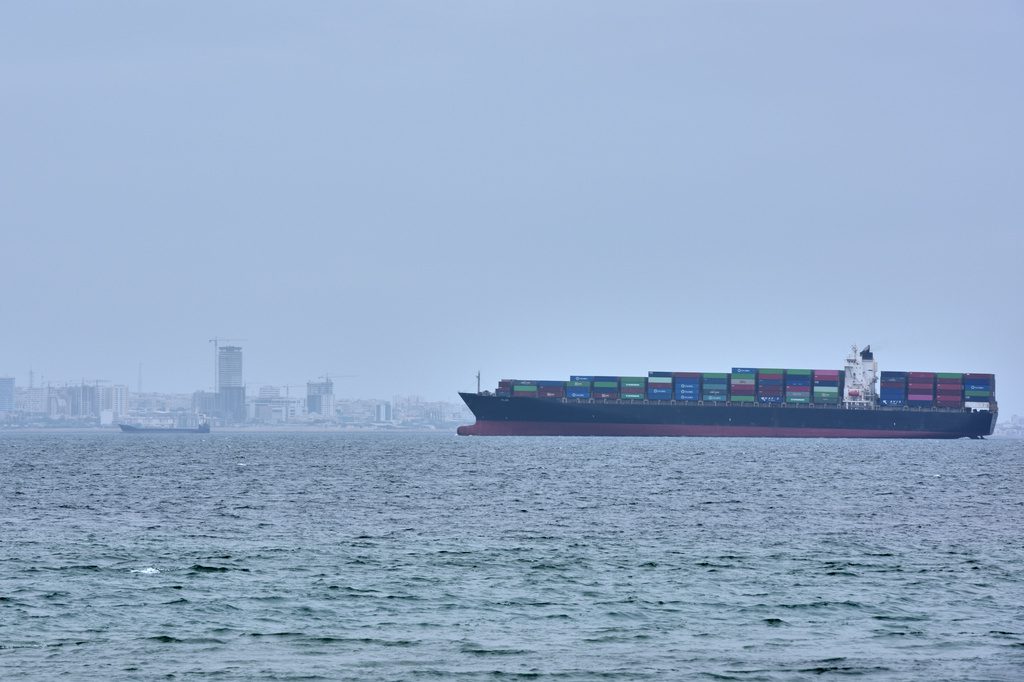
The Trump White House has announced that special envoys Steve Witkoff and Jared Kushner will travel to Pakistan for direct talks with Iranian Foreign Minister Abbas Araghchi, who has just arrived in Islamabad. The talks come against an extraordinary military backdrop: three US aircraft carriers — USS George H.W. Bush, USS Abraham Lincoln and USS Gerald R. Ford — are deployed in the West Asia region, the first such triple deployment since the 2003 Iraq invasion. Trump has issued a 90-day Jones Act waiver letting non-American vessels carry domestic US oil and gas; Brent crude has spiked from $67 (28 February) to $103-107 — about a 50% jump driven by the Hormuz risk premium. For CLAT aspirants, the legal anchors are UNCLOS Articles 38 and 44 on transit passage through international straits.
Constitutional / Legal Framework
- UNCLOS 1982 — UN Convention on the Law of the Sea, the constitution of the oceans, in force since 1994.
- Article 38 (Transit passage) — vessels and aircraft of all States enjoy the right of transit passage through straits used for international navigation; cannot be hampered.
- Article 39 — duties of ships and aircraft during transit passage (continuous and expeditious traversal).
- Article 42 — strait States may legislate on safety of navigation, pollution, fishing and customs/fiscal matters; laws must be non-discriminatory.
- Article 44 — strait States shall not hamper transit passage; “there shall be no suspension of transit passage” — a hard obligation.
- Iran’s UNCLOS status — Iran signed in 1982 but has not ratified; argues transit-passage rules are not customary international law and threatens to close Hormuz from time to time.
- Jones Act (US Merchant Marine Act 1920) — restricts US domestic shipping to US-built/owned/flagged/crewed vessels; Trump’s 90-day waiver permits foreign ships during the supply shock.
- UN Charter Article 2(4) — prohibition on use of force; Article 51 — right of self-defence.
Why This Matters for CLAT 2027
Hormuz and UNCLOS appeared in CLAT 2024 (innocent passage) and AILET 2025 (transit passage). Expect a Legal Reasoning passage giving you Article 38 + 44 + the Iran-non-ratification fact and asking you to decide whether Iran can lawfully close the Strait — the answer turns on customary law arguments and Article 44’s anti-suspension rule. GK / current affairs will test the names of the three carriers, the Jones Act waiver, and India’s de-hyphenated diplomatic posture under MEA.
Key Facts at a Glance
| US envoys | Steve Witkoff, Jared Kushner |
| Iranian counterpart | FM Abbas Araghchi (in Islamabad) |
| Host | Pakistan (track-1.5 / shuttle diplomacy) |
| US aircraft carriers | USS George H.W. Bush, USS Abraham Lincoln, USS Gerald R. Ford |
| First time since | 2003 (Iraq invasion build-up) |
| Brent crude | $103-107 (vs $67 on 28 Feb 2026); ~50% spike |
| Jones Act waiver | 90 days, non-American vessels permitted |
| Hormuz transit | ~20% of global oil; ~40-45% of India’s crude |
| Key UNCLOS Articles | 38 (transit passage), 39 (duties), 42 (regulation), 44 (no suspension) |
| India’s posture | De-hyphenation; calls for restraint, dialogue, freedom of navigation |
Mnemonic / Memory Hook
“38-42-44 = TRR” — UNCLOS Article 38 = Transit passage right; Article 42 = Regulation by strait States; Article 44 = no Restriction/suspension. For the carriers remember “BLF” — Bush, Lincoln, Ford — three names, three decks, three deterrents.
Test Yourself — 10 MCQs
Practice Quiz — 10 CLAT-Style Questions
Click an option to reveal the answer and explanation.