
CURRENT AFFAIRS | 6 APRIL 2026
CLAT GK + CONSTITUTIONAL LAW & POLITY
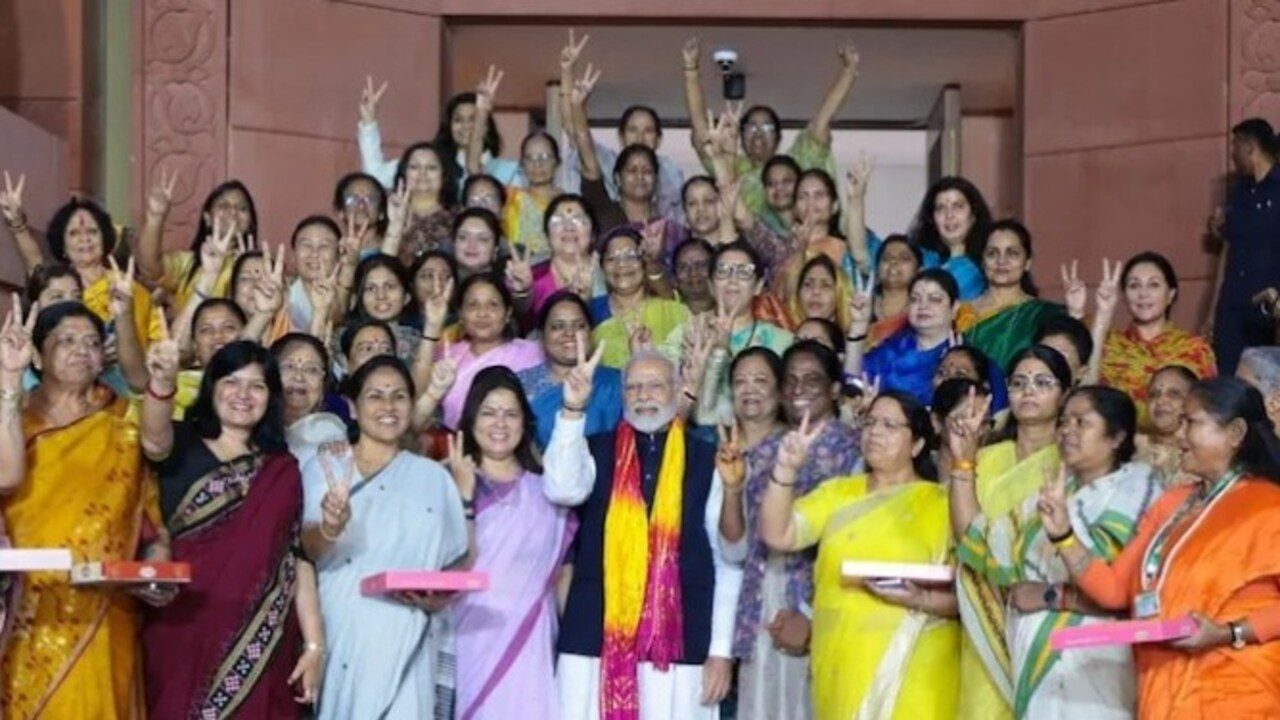
The debate around fast-tracking the implementation of the 106th Constitutional Amendment — the Nari Shakti Vandan Adhiniyam — has intensified. An editorial in The Indian Express proposes a roadmap to implement 33% women’s reservation in Parliament without waiting for the next census and delimitation, potentially using the 2011 Census data as a baseline.
This is one of the most CLAT-relevant constitutional topics of the year, touching on fundamental rights, constitutional amendments, Panchayati Raj, and the history of women’s political representation in India.
The 106th Amendment: Key Provisions
Passed on 20 September 2023 (Lok Sabha: 454-2 votes, Rajya Sabha: unanimous with 214 votes), the amendment reserves 33% of seats for women in:
- Lok Sabha
- State Legislative Assemblies
- Delhi Legislative Assembly
New Articles 330A and 332A were inserted into the Constitution. However, the amendment links implementation to the completion of delimitation after the first census conducted after the Act — which is why it has not been implemented yet.
Constitutional Framework: Women’s Representation
- Article 15(3): State can make special provisions for women and children
- Article 243D: Not less than 1/3 seats in Panchayats reserved for women (73rd Amendment)
- Article 243T: Not less than 1/3 seats in Municipalities reserved for women (74th Amendment)
- Article 330A (new): Reservation of seats for women in Lok Sabha
- Article 332A (new): Reservation of seats for women in State Assemblies
- Article 334: Reservation provisions to cease after specified period (originally 10 years, extended multiple times)
The Fast-Track Roadmap
The editorial proposes several mechanisms to implement the reservation before the 2029 Lok Sabha elections:
- Use 2011 Census Data: Instead of waiting for a new census, use existing population data as baseline for seat allocation
- Increase Lok Sabha Seats: Expand from 543 to approximately 816 seats (50% increase) to accommodate reservation without reducing state representation
- Delink from Delimitation: Amend the Act to separate implementation from the full delimitation exercise
- Rotation Mechanism: Establish clear rules for rotating which constituencies are reserved for women
CLAT Exam Angle
This is extremely high-value for CLAT 2027:
- Legal Reasoning: Passage-based questions on the constitutional amendment process (Art 368), special majority requirements, state ratification for amendments affecting federal structure
- GK Section: Direct questions on 73rd/74th/106th Amendments, Article numbers, Vishaka guidelines
- Current Affairs: Timeline of the Women’s Reservation Bill (1996 to 2023)
Previous Year Pattern: CLAT frequently tests knowledge of constitutional amendments and their Article numbers.
Historical Journey of Women’s Reservation
| Year | Event |
|---|---|
| 1992 | 73rd & 74th Amendments — 33% reservation for women in local bodies |
| 1996 | Women’s Reservation Bill first introduced (Deve Gowda govt) |
| 1998-2010 | Bill introduced and lapsed multiple times across Parliaments |
| 2010 | Rajya Sabha passes the Bill; Lok Sabha does not take it up |
| Sept 2023 | 106th Amendment passed by both Houses, signed by President Murmu |
| 2026 | Government explores fast-track implementation using 2011 Census |
Panchayat Reservation: The Success Story
The 73rd Amendment (1992) already established 33% reservation for women in Panchayats under Article 243D. Several states went further — Bihar, Jharkhand, Uttarakhand, Andhra Pradesh, and others raised it to 50%. Today, India has over 14 lakh elected women Panchayat members, the world’s largest cohort of elected women representatives at the grassroots level.
Key Facts at a Glance
| Amendment Number | 106th Constitutional Amendment |
| Official Name | Nari Shakti Vandan Adhiniyam |
| Reservation | 33% seats for women |
| New Articles | 330A and 332A |
| First Introduced | 1996 (11th Lok Sabha) |
| Panchayat Reservation (Art 243D) | 33% (some states 50%) |
| Current Women in Lok Sabha | ~15% (78 out of 543) |
Mnemonic: “NAVDS” — Remember the 106th Amendment
Nari Shakti Vandan Adhiniyam → Articles 330A/332A → Vote (454-2 in LS) → Delimitation linked → September 2023 passed
For Panchayat reservation: “73-33-D” → 73rd Amendment → 33% reservation → Article 243D
Challenges in Implementation
Three major hurdles remain: (1) Delimitation — the last delimitation was in 2002 based on 2001 Census, and a fresh exercise is politically sensitive as it may alter state representation; (2) Rotation mechanism — deciding which constituencies will be reserved in each election cycle; (3) Political consensus — parties differ on whether OBC sub-reservation within the women’s quota should be mandated.
CLAT aspirants should understand both the constitutional architecture (Articles 330A, 332A, 243D, 15(3)) and the political-administrative challenges in translating a passed amendment into on-ground reality.
Practice Quiz — 10 CLAT-Style Questions
Click an option to reveal the answer and explanation.