
CURRENT AFFAIRS | MAY 5, 2026
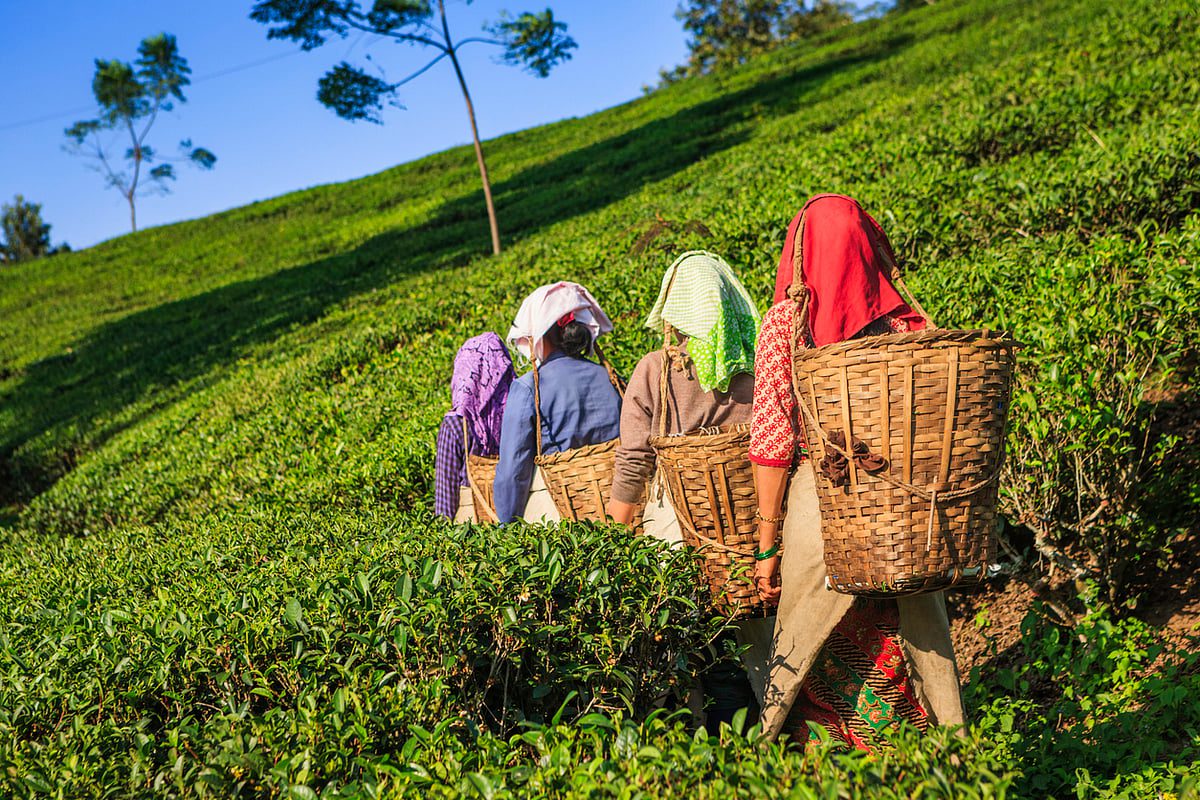
West Bengal tea-garden workers, acting through a registered industrial association, have filed a representation under Article 24 of the International Labour Organization (ILO) Constitution alleging India’s non-observance of the Plantations Labour Act, 1951, the Code on Wages, 2019, and ILO Convention 110 (Plantations). The filing puts the spotlight on the tripartite ILO machinery and tests the interface between domestic labour law and international labour standards.
What is an Article 24 Representation?
Article 24 of the ILO Constitution permits an industrial association of employers or workers to make a representation to the ILO Governing Body alleging that any member State has failed to secure the effective observance of a Convention to which it is a party. Once admissible, the matter is referred to a three-member tripartite committee of the Governing Body — comprising one member each from the government, employer and worker groups — for examination and report. It is a softer, dialogue-oriented complaint procedure (as compared to the Article 26 commission-of-inquiry route).
🏛️ Constitutional & Statutory Framework
India is a founding member of the ILO (1919), established under Part XIII of the Treaty of Versailles; the ILO became the first specialised agency of the UN in 1946. Domestically the present complaint engages: (i) Plantations Labour Act, 1951 — welfare, hours, housing, medical for tea/coffee/rubber/cinchona workers; (ii) Code on Wages, 2019 — consolidating four central wage laws; (iii) Article 23 (forced labour prohibition) and Article 24 of the Indian Constitution (child labour); (iv) Article 43 (DPSP) directing the State to secure a living wage and decent working conditions for all workers.
⚖️ CLAT Angle — Why This Matters for Aspirants
This story is gold for the CLAT International Organisations / Polity-DPSP cluster. Expect questions on (i) the tripartite ILO structure (government + employer + worker); (ii) Article 24 vs Article 26 ILO procedures; (iii) the four labour codes (Wages 2019, Industrial Relations 2020, Social Security 2020, OSH 2020); (iv) DPSP Articles 39, 41, 42, 43 on labour welfare; (v) the difference between an ILO Convention (binding once ratified) and a Recommendation (non-binding). Also revise the basic ILO timeline and core conventions (29 forced labour, 87 freedom of association, 98 collective bargaining, 105 abolition of forced labour, 110 plantations, 138 minimum age, 182 worst forms of child labour).
📊 Key Facts at a Glance
| Item | Detail |
|---|---|
| Mechanism | Article 24 of the ILO Constitution — representation by industrial association |
| Filed By | West Bengal tea-garden workers (industrial association) |
| Allegations Engage | Plantations Labour Act 1951; Code on Wages 2019; ILO Convention 110 |
| ILO Founded | 1919 (Treaty of Versailles) |
| UN Specialised Agency | First (1946) |
| India Membership | Founding member (1919) |
| Structure | Tripartite — governments + employers + workers |
| Constitutional Anchors | Articles 23, 24; DPSP Article 43 (living wage) |
🧠 Mnemonic — 1919-1946-110: ILO’s Three Numbers
1919 — ILO is born (Treaty of Versailles). 1946 — first UN specialised agency. 110 — Plantations Convention invoked here. Add “24-26” for the two complaint tracks: Article 24 (industrial-association representation) and Article 26 (member-State / Governing Body commission of inquiry).
Test Your Understanding
Practice Quiz — 10 CLAT-Style Questions
Click an option to reveal the answer and explanation.