
CURRENT AFFAIRS | 16 APRIL 2026
CLAT GK + CONSTITUTIONAL LAW & PERSONAL LAW
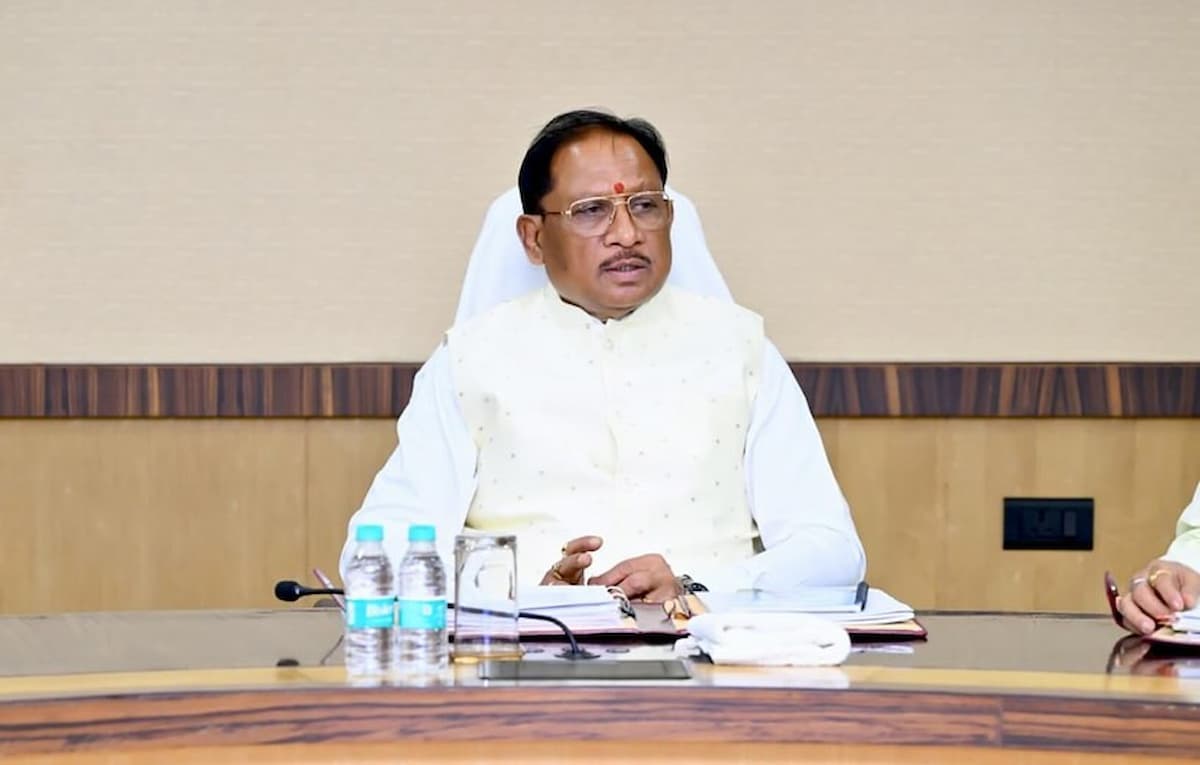
On 15 April 2026, the Chhattisgarh Cabinet, chaired by Chief Minister Vishnu Deo Sai, approved the formation of a high-level drafting committee for a state Uniform Civil Code. Reportedly headed by retired Supreme Court Justice Ranjana Prakash Desai, the committee will consult citizens, legal experts and religious stakeholders before placing a comprehensive draft before the state Assembly. The same Cabinet meeting also announced a 50% reduction in property registration charges for women.
Chhattisgarh joins Uttarakhand — whose UCC Act 2024 was India’s first post-independence state-level code — and Gujarat, which is also drafting a framework. The move revives the long-running debate on Article 44 of the Constitution and the balance between personal laws and uniform civil legislation.
Constitutional & Legal Framework
- Article 44 — DPSP: “The State shall endeavour to secure for the citizens a uniform civil code throughout the territory of India.”
- Articles 25-28 — Freedom of conscience, free profession, practice and propagation of religion; potential tension with UCC.
- Article 37 — Declares Directive Principles fundamental in governance though non-justiciable.
- Entry 5, List III (Concurrent List) — Marriage, divorce, succession; empowers both Parliament and State Legislatures to legislate.
- Shah Bano Begum v Mohd Ahmad Khan (1985) — SC used Section 125 CrPC to grant maintenance and called for Article 44 implementation.
- Sarla Mudgal v Union of India (1995) — Hindu converting to Islam for bigamy commits offence; SC again pressed for UCC.
- Minerva Mills v Union of India (1980) — Fundamental Rights and DPSPs must be harmoniously balanced.
- Uttarakhand UCC Act 2024 — First comprehensive UCC legislation by a state after independence.
CLAT Angle — Why This Matters
UCC is a perennial CLAT topic across legal reasoning, GK and comprehension. Expect questions on: (a) the Article 44 vs Article 25 balance — can DPSPs override Fundamental Rights? (Minerva Mills answers NO, both must harmonise); (b) state legislative competence — since marriage, divorce and succession are in the Concurrent List (Entry 5), states CAN legislate; (c) the ratio of Shah Bano and Sarla Mudgal, both of which urged UCC implementation; (d) distinguishing personal laws from customary laws. Know also that Goa already has a Portuguese-era Civil Code — often a trap in factual CLAT questions.
Key Facts at a Glance
| Element | Detail |
|---|---|
| Article 44 | Directive Principle — State shall endeavour to secure UCC |
| First state UCC (post-1947) | Uttarakhand UCC Act 2024 |
| Chhattisgarh drafting panel | Approved 15 April 2026; to consult public & experts |
| Entry 5 List III | Concurrent competence on marriage, divorce, succession |
| Shah Bano (1985) | Maintenance under S.125 CrPC; Article 44 invoked |
| Sarla Mudgal (1995) | Conversion for bigamy unlawful; UCC re-urged |
| Minerva Mills (1980) | FR & DPSP must be harmoniously balanced |
Mnemonic — UNIFORM
UCC under Art 44 • National debate • Individual rights • Family law • Old cases (Shah Bano, Sarla Mudgal) • Religion freedom • Model state Uttarakhand
Test Your Knowledge
Attempt this 10-question CLAT-style quiz on Article 44, Articles 25-28, Shah Bano, Sarla Mudgal, Minerva Mills and state UCC legislation.
Practice Quiz — 10 CLAT-Style Questions
Click an option to reveal the answer and explanation.