
CURRENT AFFAIRS | 16 APRIL 2026
CLAT GK + CONSTITUTIONAL LAW & GENDER JUSTICE
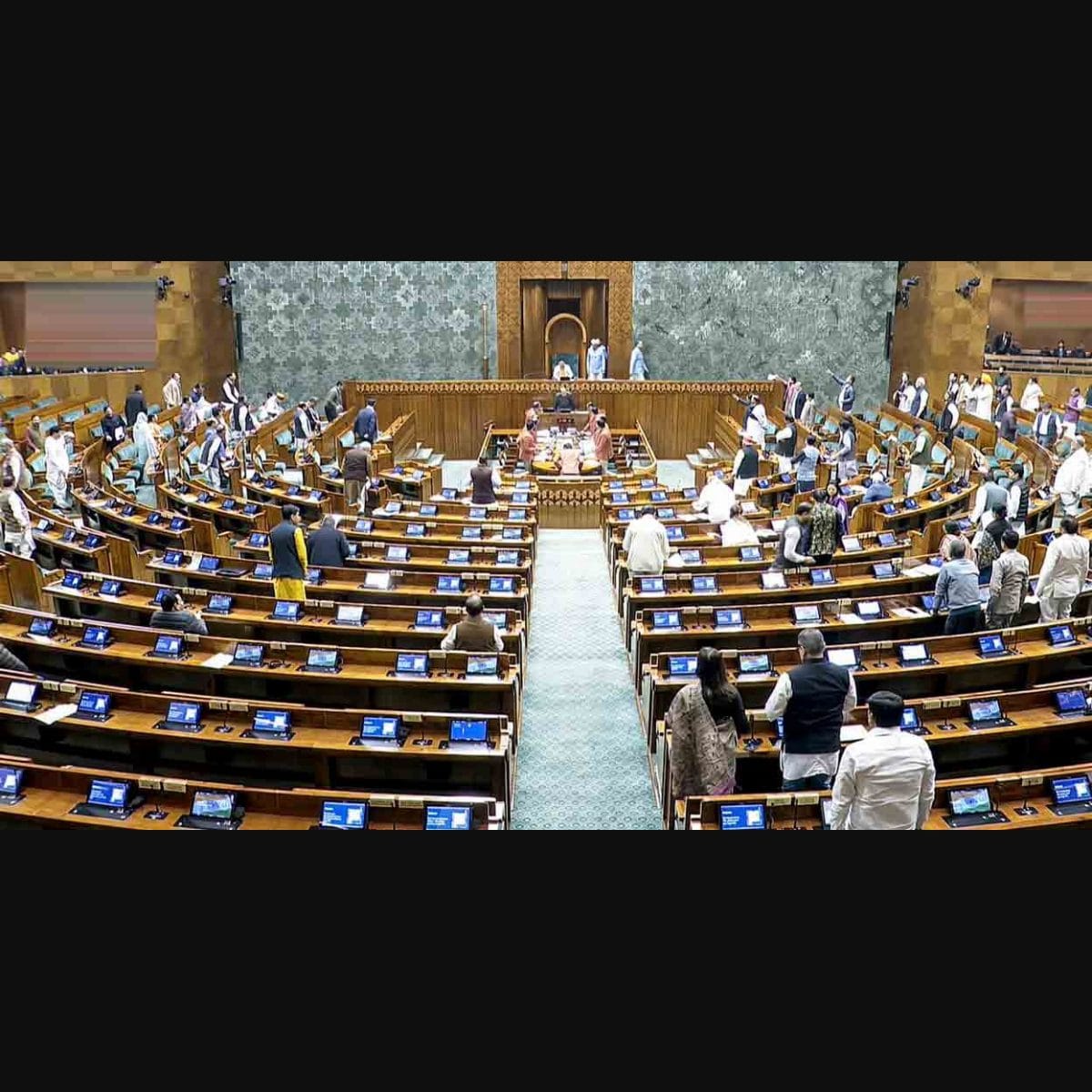
The 106th Constitution Amendment Act 2023, officially named the Nari Shakti Vandan Adhiniyam, is once again the centre of Parliamentary debate. Opposition parties have demanded that the 33% reservation for women in the Lok Sabha and State Legislative Assemblies be operationalised immediately, rather than waiting for the post-2026 census and delimitation as originally contemplated under Article 334A. The Union Cabinet has reportedly approved a “delink and fast-track” strategy, allowing implementation before the 2029 general elections.
The law reserves one-third of total seats in the Lok Sabha (Article 330A), State Assemblies (Article 332A) and the NCT of Delhi Assembly for women, including within seats reserved for Scheduled Castes and Scheduled Tribes. The initial duration is 15 years.
Constitutional & Legal Framework
- 106th Amendment 2023 — Nari Shakti Vandan Adhiniyam; inserts Articles 330A, 332A, 334A.
- Article 330A — 33% reservation of seats for women in the Lok Sabha (including within SC/ST quota).
- Article 332A — 33% reservation in State Legislative Assemblies.
- Article 334A — Commencement linked to first census after amendment + delimitation; duration initially 15 years.
- Article 15(3) — Enabling clause permitting special provisions for women and children, exception to Article 15(1).
- 73rd & 74th Amendments 1992 — Reservation of one-third seats for women in Panchayats (Art 243D) and Municipalities (Art 243T).
- K. Krishna Murthy v Union of India (2010) — SC upheld reservation for women and BCs in local bodies as constitutionally valid.
CLAT Angle — Why This Matters
Women’s reservation is a CLAT favourite because it sits at the intersection of constitutional amendment, federalism, fundamental rights (Articles 14, 15, 16) and Directive Principles. Expect legal-reasoning passages asking you to: (a) apply Article 15(3) as an enabling clause to justify women-only reservation; (b) distinguish between formal and substantive equality; (c) analyse whether tying operationalisation to delimitation defeats legislative intent; and (d) apply the K. Krishna Murthy ratio — that reservation of seats and chairpersons for women in local bodies is valid. CLAT may also pair this with delimitation (see topic 1 of today’s brief).
Key Facts at a Glance
| Provision | Effect |
|---|---|
| 106th CAA 2023 | Nari Shakti Vandan Adhiniyam — women reservation in LS & Assemblies |
| Article 330A | 1/3 seats reserved for women in Lok Sabha |
| Article 332A | 1/3 seats in State Legislative Assemblies |
| Article 334A | Commencement after census & delimitation; 15-year duration |
| Article 15(3) | Enabling clause for women-centric special provisions |
| 73rd/74th Amendments | Women reservation in Panchayats and Municipalities (since 1992) |
| K. Krishna Murthy (2010) | Upheld local-body reservation as constitutionally valid |
Mnemonic — NARI
New 33% quota • Article 330A & 332A • Representation for women • Immediate demand for rollout
Test Your Knowledge
Attempt this 10-question CLAT-style quiz on the 106th Amendment, Articles 330A, 332A, 334A, Article 15(3) and the K. Krishna Murthy case.
Practice Quiz — 10 CLAT-Style Questions
Click an option to reveal the answer and explanation.