

CURRENT AFFAIRS | 12 APRIL 2026
CLAT GK + LEGAL REASONING + POLITY
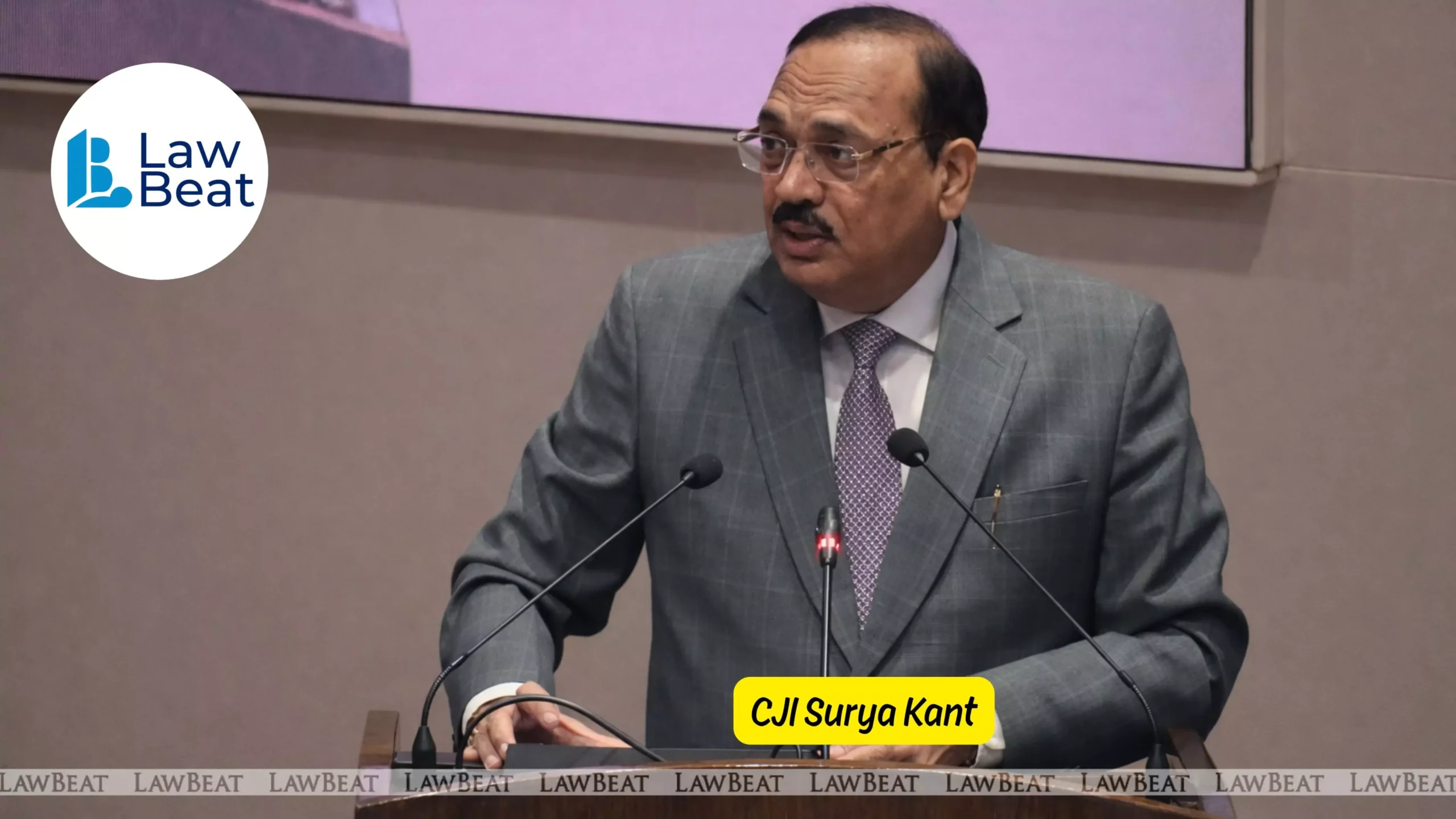
Chief Justice of India (CJI) Surya Kant, speaking at the “Rule of Law Convention 2026” organized by the Bar Association of India, made a powerful assertion that India’s ambition of becoming a USD 10 trillion economy will depend significantly on the quality of its legal system. The CJI stated: “A 10-trillion-dollar Bharat will not be shaped by capital or policy alone. It will be built, in no small part, by the quality of the legal system that upholds the rule of law and the promises on which all of that depends.”
CJI Surya Kant observed that the legal foundations supporting India’s growth over the last three decades were shaped for a relatively simpler economic moment. The liberalization of the 1990s triggered growth, expanded the middle class, and created unprecedented economic confidence. However, reaching the USD 10 trillion mark requires attracting capital of a very different kind — patient, long-term capital that is dependent on institutional reliability. Investors, before committing such capital, seek assurance on enforcing contracts, respecting property rights, and resolving disputes efficiently.
The CJI also highlighted the ambitious Phase III of the e-Courts project, backed by an outlay of Rs 7,210 crore, calling it a “decisive reorientation” aimed at making courts fully digital and paperless. He called for predictability, specialisation, and a culture of good faith in commercial law to help India achieve this landmark economic goal.
Constitutional & Legal Framework
- Article 14: Equality before law and equal protection of laws — the bedrock of Rule of Law in India
- Article 300A: Right to property — no person shall be deprived of property save by authority of law (post 44th Amendment)
- Article 13: Laws inconsistent with fundamental rights are void — ensures judicial review
- Article 38: DPSP directing the State to secure a social order for promotion of welfare and minimize inequalities in income and status
- Article 39(b) & (c): Distribution of material resources for common good; prevention of concentration of wealth
- Rule of Law (A.V. Dicey): Supremacy of law, equality before law, and predominance of legal spirit — embedded in Part III of the Constitution
CLAT Angle: Why This Matters for CLAT 2027
- GK Section: CJI’s remarks on the intersection of judiciary and economic development are highly testable — expect questions on the specific event, the economic target, and the e-Courts project
- Legal Reasoning: Principle-application questions based on Rule of Law, contract enforcement, and property rights scenarios
- Constitutional Law: The distinction between Article 300A (constitutional right) and the now-deleted Article 31 (fundamental right to property)
- Previous Year Trend: CLAT frequently tests the relationship between judicial independence and economic governance
- Key Quote to Remember: “A 10-trillion-dollar Bharat will not be shaped by capital or policy alone”
Key Facts at a Glance
| Event | Rule of Law Convention 2026 |
| Organizer | Bar Association of India |
| Speaker | CJI Surya Kant |
| Topic | Legal Reform Roadmap to a USD 10 Trillion Bharat |
| India’s Current GDP | ~USD 3.5-4 trillion |
| Target GDP | USD 10 trillion |
| e-Courts Phase III Outlay | Rs 7,210 crore |
| Key Articles | Art 14, 300A, 13, 38, 39 |
Mnemonic: “CJI RULES” for Key Points
- C — Capital (patient, long-term) needed for $10T
- J — Judicial quality determines economic growth
- I — Institutional reliability attracts investors
- R — Rule of Law Convention 2026
- U — USD 10 trillion target
- L — Liberalization of 1990s shaped current foundations
- E — e-Courts Phase III (Rs 7,210 crore)
- S — Surya Kant (CJI) at Bar Association of India
Practice Quiz — 10 CLAT-Style Questions
Click an option to reveal the answer and explanation.