
CURRENT AFFAIRS | 12 APRIL 2026
CLAT GK + INTERNATIONAL RELATIONS
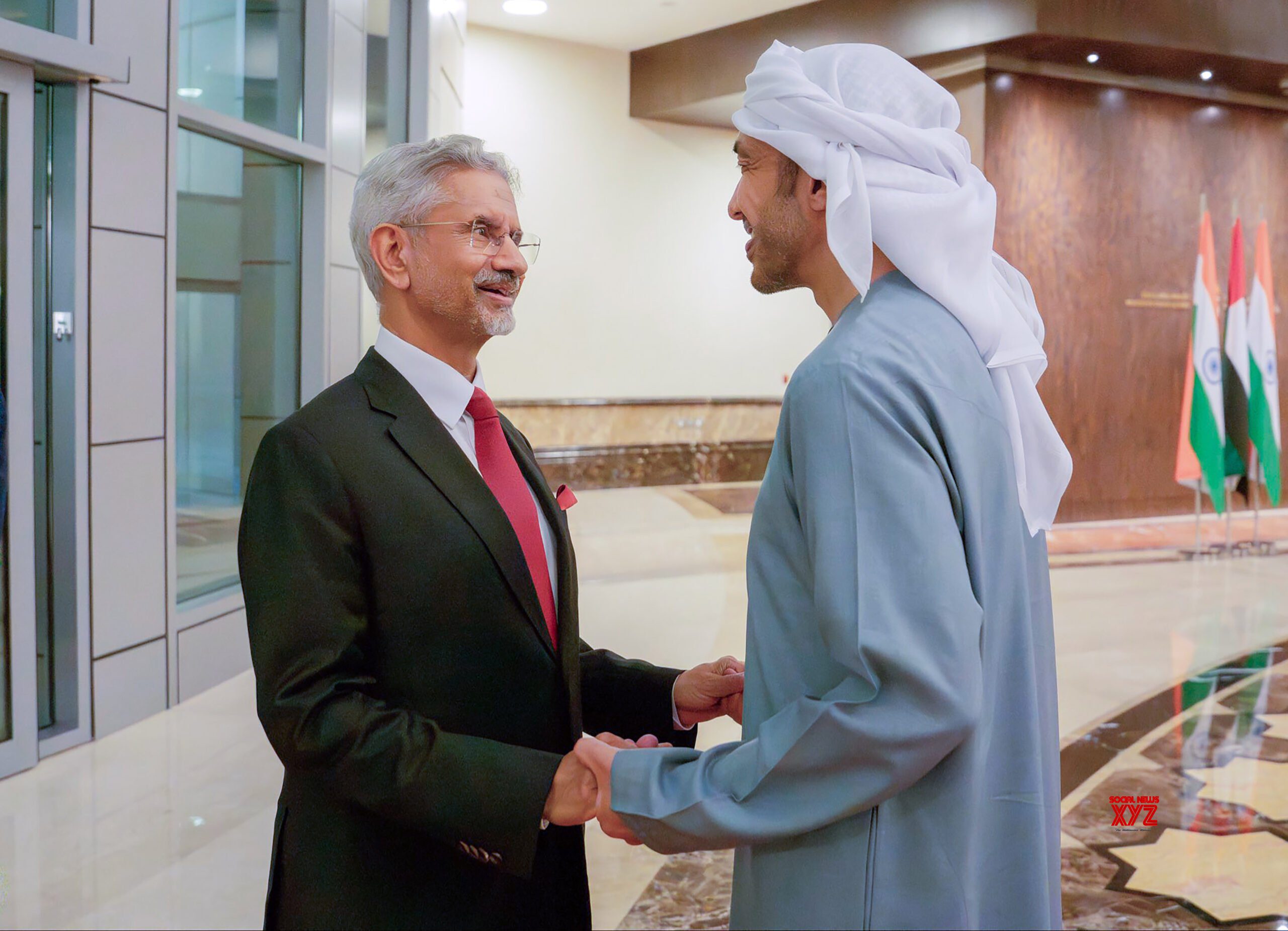
External Affairs Minister S. Jaishankar arrived in the UAE on a two-day official visit, his first to the Gulf region since the West Asia war broke out six weeks ago. Meeting his UAE counterpart, Deputy Prime Minister and Foreign Minister Sheikh Abdullah bin Zayed Al Nahyan in Abu Dhabi on Saturday, the two leaders held detailed discussions on the evolving regional situation and its broader implications for bilateral ties and regional stability.
The visit carries heightened diplomatic significance as it coincided with US-Iran ceasefire talks taking place in Islamabad simultaneously. EAM Jaishankar arrived in the UAE after concluding his visit to Mauritius, where he attended the 9th Indian Ocean Conference, underlining India’s multi-directional diplomatic engagement. He conveyed India’s deep appreciation for ensuring the well-being of the Indian community in the UAE and expressed confidence that the Comprehensive Strategic Partnership between the two nations will advance further.
India’s approach to the West Asia crisis reflects its constitutional commitment under Article 51 of the Directive Principles of State Policy, which directs the State to promote international peace and security. The visit also highlights India’s growing diplomatic stature in mediating and engaging with all stakeholders in the volatile region.
Constitutional & Legal Framework
Article 51 of the DPSP directs the State to:
- (a) Promote international peace and security
- (b) Maintain just and honourable relations between nations
- (c) Foster respect for international law and treaty obligations
- (d) Encourage settlement of international disputes by arbitration
While DPSPs are non-justiciable, Article 51 has been the guiding principle behind India’s foreign policy framework, including its non-alignment legacy and current multi-alignment strategy.
India-UAE CEPA (2022): The Comprehensive Economic Partnership Agreement is a legally binding trade agreement that reduced tariffs on 97% of Indian exports to the UAE, demonstrating how bilateral partnerships are formalized through international treaty law.
CLAT Angle: Why This Matters
- GK Section: India-UAE Comprehensive Strategic Partnership, Gulf diplomacy, Indian Ocean Conference, and India’s role in West Asia crisis are high-probability topics for CLAT 2027
- Legal Reasoning: Questions on international treaties, diplomatic immunity, and India’s treaty obligations under Vienna Convention on Diplomatic Relations may appear
- Current Affairs: US-Iran ceasefire talks, India’s multi-directional diplomacy, and diaspora welfare policies are frequently tested
- Constitutional Law: Article 51 DPSP and its influence on India’s foreign policy decisions is a classic CLAT question area
Key Facts at a Glance
| EAM Visit | Two-day visit to UAE (11-12 April 2026) |
| UAE Counterpart | Sheikh Abdullah bin Zayed Al Nahyan (DPM & FM) |
| Bilateral Status | Comprehensive Strategic Partnership |
| Previous Stop | Mauritius (9th Indian Ocean Conference) |
| Simultaneous Event | US-Iran talks in Islamabad |
| Indian Diaspora in UAE | ~3.5 million (largest expat community) |
| Constitutional Basis | Article 51 DPSP (international peace) |
Mnemonic: GULF PEACE
- G – Gulf region diplomatic engagement
- U – UAE Comprehensive Strategic Partnership
- L – Livelihood of Indian diaspora secured
- F – Foreign policy under Article 51 DPSP
- P – Peace promotion in West Asia
- E – Evolving regional situation discussed
- A – Abu Dhabi meeting venue
- C – CEPA trade agreement framework
- E – Engagement with multiple stakeholders
Practice Quiz — 10 CLAT-Style Questions
Click an option to reveal the answer and explanation.