

CURRENT AFFAIRS | 14 APRIL 2026
CLAT GK + ENVIRONMENT LAW & INFRASTRUCTURE
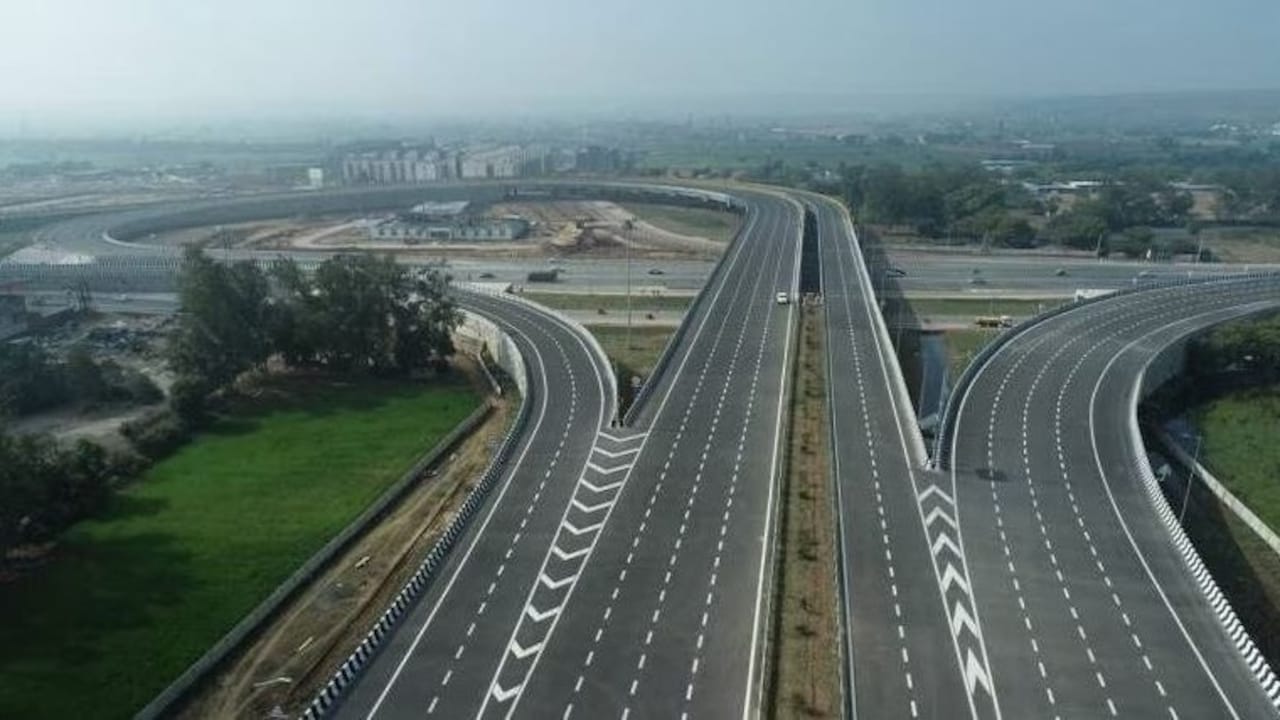
Prime Minister Narendra Modi on April 14, 2026 inaugurated the much-awaited Delhi-Dehradun Economic Corridor at Jaswant Singh Army Ground in Dehradun, marking the completion of one of India’s most ambitious infrastructure projects. The Rs 12,000 crore, 213 km, 6-lane access-controlled highway slashes travel time between Delhi and Dehradun from approximately 6 hours to just 2.5 hours, transforming regional connectivity across Delhi, Uttar Pradesh, and Uttarakhand.
The event was attended by Union Minister Nitin Gadkari, Uttar Pradesh CM Yogi Adityanath, Uttarakhand CM Pushkar Singh Dhami, and Delhi CM Rekha Gupta. The corridor is not merely a road — it is a development lifeline that connects the national capital to the gateway of the Himalayas, promising to boost tourism, agriculture, industry, and strategic connectivity.
Engineering Marvel: Asia’s Largest Wildlife Corridor
The standout feature of the Delhi-Dehradun Economic Corridor is its 12 km elevated wildlife corridor — described as the largest in Asia — designed to protect wildlife in the Rajaji National Park area. The elevated section allows animals including elephants, tigers, leopards, and deer to cross freely underneath the highway, maintaining their natural migration routes without human interference. This represents a paradigm shift in Indian infrastructure development — one that prioritizes ecological balance alongside economic growth.
The corridor also features the Dat Kali Tunnel, 7 major interchanges, and state-of-the-art road infrastructure including intelligent traffic management systems, emergency response units, and green energy-powered service stations.
Economic Impact: A Transformative Corridor
The economic benefits of the corridor are multi-dimensional. For the tourism sector, it dramatically improves access to Uttarakhand’s spiritual and adventure tourism circuits — Char Dham (Badrinath, Kedarnath, Gangotri, Yamunotri), Rishikesh (yoga capital of the world), Haridwar (one of seven holiest Hindu cities), and Mussoorie (the queen of hills). The reduced travel time is expected to boost tourist footfall by 40-50% within the first year.
For the agricultural economy, the corridor enables faster movement of perishable produce from the farms of Baghpat, Shamli, and Saharanpur districts to Delhi’s wholesale markets. Industrial growth along the corridor is expected to accelerate, with logistics costs dropping significantly. For NE Delhi, the corridor provides much-needed traffic relief, diverting long-distance vehicles away from congested urban roads.
Article 48A (DPSP): The State shall endeavour to protect and improve the environment and to safeguard the forests and wildlife of the country — the wildlife corridor embodies this directive.
Article 51A(g) (Fundamental Duty): Every citizen’s duty to protect and improve the natural environment including forests, lakes, rivers, and wildlife, and to have compassion for living creatures.
Wildlife Protection Act, 1972: Provides for protection of wild animals, birds, and plants — the elevated corridor ensures compliance by preserving animal crossing routes.
National Highways Act, 1956: Governs the declaration and development of National Highways.
RFCTLARR Act, 2013: The Right to Fair Compensation and Transparency in Land Acquisition, Rehabilitation and Resettlement Act replaced the colonial Land Acquisition Act, 1894 — governs land acquisition for such projects.
EIA Notification, 2006: Issued under the Environment Protection Act, 1986 — mandates environmental impact assessment and clearance for major infrastructure projects.
The Wildlife-Infrastructure Balance
India has historically struggled to balance infrastructure development with environmental conservation. The Delhi-Dehradun corridor’s wildlife passage is a significant step forward. The National Highway Authority of India (NHAI) worked with the Wildlife Institute of India (WII) to design the elevated section based on animal movement data. The WII report confirmed that wildlife underpasses and overpasses along the corridor have been successful in maintaining animal migration patterns during the construction phase itself.
This approach aligns with international best practices — countries like Canada (Banff National Park), the Netherlands, and Kenya have successfully integrated wildlife corridors into highway design. For India, the Rajaji corridor sets a precedent for future infrastructure projects in ecologically sensitive areas.
Legal Reasoning: Questions on DPSP (Art. 48A) vs. development rights, environmental clearance process under EIA 2006, land acquisition under RFCTLARR Act 2013, and the balance between Art. 21 (right to clean environment) and economic development.
Current Affairs/GK: Infrastructure projects, NHAI, wildlife corridors, Rajaji National Park, Char Dham connectivity, Delhi-Dehradun expressway specifications.
Logical Reasoning: Cost-benefit analysis of infrastructure projects, environmental trade-offs, and strengthening/weakening arguments about development vs. conservation.
Key Legal Principle: Sustainable development — balancing economic growth with environmental protection, as established in Vellore Citizens’ Welfare Forum v Union of India (1996).
| Project Cost | Rs 12,000 crore |
| Length | 213 km, 6-lane access-controlled |
| Travel Time Reduction | 6 hours to 2.5 hours |
| Wildlife Corridor | 12 km elevated (Asia’s largest) |
| Interchanges | 7 major interchanges |
| States Connected | Delhi, Uttar Pradesh, Uttarakhand |
D — Delhi to Dehradun in 2.5 hours
E — Elevated wildlife corridor (12 km, Asia’s largest)
H — Highway: 213 km, 6 lanes, access-controlled
R — Rajaji National Park wildlife protected
A — Article 48A (DPSP — protect environment)
D — Dat Kali Tunnel featured
U — Uttarakhand tourism boost (Char Dham, Rishikesh, Haridwar)
N — NHAI + WII collaboration on design
W — Wildlife Protection Act, 1972 compliance
A — Agriculture corridor (Baghpat-Shamli-Saharanpur)
Y — Year 2026: Rs 12,000 crore project completed
Significance for India’s Infrastructure Story
The Delhi-Dehradun Economic Corridor is part of India’s broader Bharatmala Pariyojana — a Rs 5.35 lakh crore highway development project. It demonstrates that large-scale infrastructure can coexist with environmental responsibility when proper planning, scientific input, and legal compliance guide the process. For CLAT aspirants, this project offers a rich case study at the intersection of environmental law, land acquisition, infrastructure policy, and the constitutional duty to protect nature while pursuing development.
Practice Quiz — 10 CLAT-Style Questions
Click an option to reveal the answer and explanation.






