
CURRENT AFFAIRS | 21 APRIL 2026
CLAT GK + CONSTITUTIONAL LAW & RELEVANT AREA
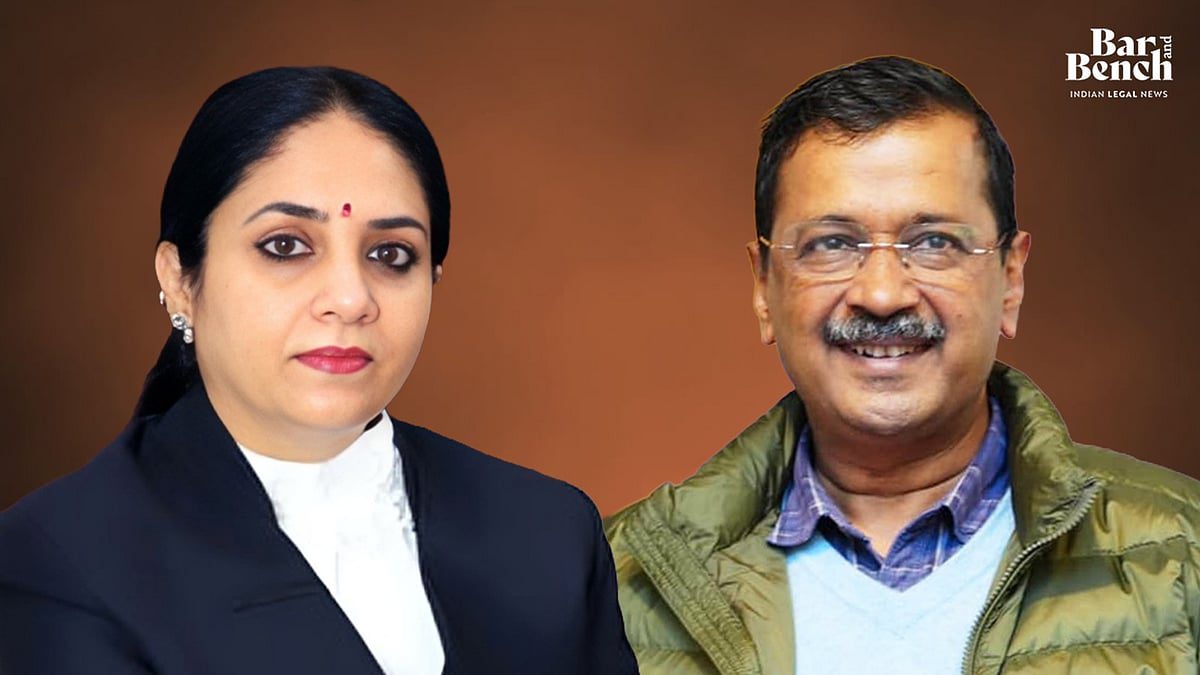
On April 20, 2026, Justice Swarana Kanta Sharma of the Delhi High Court refused to recuse herself from hearing Arvind Kejriwal’s revision plea in the Excise Policy case. The former Chief Minister had argued two grounds: (a) the judge had attended events organised by the Akhil Bharatiya Adhivakta Parishad (ABAP), a lawyers’ body alleged to be politically affiliated; and (b) a purported conflict of interest because “her children are to live” in a political environment. Justice Sharma rejected both. Characterising the application as a “Catch-22” that would convert any decision into a “win-win” for the applicant, she observed that a “litigant cannot dictate how children of a judge are to live” and that “judges cannot be placed in an ivory tower… cannot be expected to live a life of complete seclusion, cut off from society.”
Why it matters for CLAT: This judgment is a primer on the recusal doctrine, the real-likelihood / reasonable-apprehension test, and the constitutional floor of judicial independence. The core holding — recusal is not a courtesy extended on demand; grounds must meet an objective threshold — links directly to the NJAC judgment’s basic-structure reasoning. Expect passage-based questions combining Art 50 (DPSP: separation of judiciary from executive), the contempt jurisdiction, and the two limbs of natural justice.
Constitutional & Doctrinal Framework
- Nemo judex in causa sua — no one shall be a judge in their own cause (rule against bias)
- Audi alteram partem — hear the other side (twin pillars of natural justice)
- Article 50 — DPSP: separation of judiciary from executive in public services of the State
- SC Advocates-on-Record Association v UoI (2015) — NJAC case; judicial independence part of basic structure
- Ranjit Thakur v UoI (1987) — Indian locus classicus on the ‘real-likelihood’ / ‘reasonable-apprehension’ test
- Ashok Kumar Yadav v State of Haryana — appearance of bias sufficient, actual bias not required
- Pinochet case (UK HL, 1999) — extended automatic disqualification to non-pecuniary interests
- R v Sussex Justices ex parte McCarthy (1924) — ‘justice must be seen to be done’
- Contempt of Courts Act 1971 — Sec 2(c): scandalising the court is criminal contempt
CLAT Angle — How This Gets Tested
- ‘Automatic’ vs ‘real-likelihood’ disqualification: pecuniary or direct family interest → automatic recusal; everything else → reasonable-apprehension test. Kejriwal’s grounds fell in the latter bucket and failed.
- Justice Sharma’s ‘ivory tower’ observation is a neat restatement of Ranjit Thakur: judges cannot be placed in hermetic seclusion; ordinary professional and social contacts do not per se compromise impartiality.
- Expect a legal reasoning passage built around the ‘Catch-22’ reasoning — principle: allowing recusal purely on perception creates gaming + fact: litigant alleges bias from lecture invitation → conclusion: no recusal.
- Link to Art 50 and NJAC case (2015) — judicial independence is a basic-structure feature; petitioner’s ‘kids will be hurt’ line drew the court’s sharpest retort.
Key Facts at a Glance
| Judge | Justice Swarana Kanta Sharma, Delhi HC |
| Petitioner | Arvind Kejriwal (revision plea in Excise Policy case) |
| Ground 1 | Attendance at ABAP (Akhil Bharatiya Adhivakta Parishad) events |
| Ground 2 | Children’s professional engagements (conflict of interest) |
| Ruling | Recusal REFUSED — grounds based on conjecture; no reasonable apprehension |
| Notable observation | “Courtroom cannot become a theatre of perception”; judges cannot be placed in an ivory tower |
| Key case cited | Ranjit Thakur v UoI (1987); SCAORA v UoI (2015) |
A tale of two tests. Indian courts apply the real-likelihood / reasonable-apprehension test — would a fair-minded and informed observer, looking at the facts, think that bias is a real possibility? The test is objective, not subjective; neither the judge’s conscience nor the litigant’s suspicion is decisive. In Ranjit Thakur v UoI (1987) the SC quashed a court-martial because a member had been insulted by the accused — a textbook case where appearance of bias was overwhelming. Kejriwal’s grounds — lecture attendance at a bar body + family’s professional livelihood — sit at the opposite end of the spectrum. Justice Sharma’s reasoning aligns with the Supreme Court Advocates-on-Record Association (NJAC) ruling that judicial independence is a basic-structure feature, which includes protection from strategic recusal demands that could convert litigation into forum-shopping.
Mnemonic — Recusal Test
Remember — “PRA-P”: Pinochet (auto-disqualification — non-pecuniary) · Ranjit Thakur (real-likelihood test — India) · Ashok Kumar Yadav (appearance enough) · Prashant Bhushan (scandalising court). Recusal framework = Pecuniary → automatic; Other → real-likelihood of bias. Anchor to Art 50 + NJAC Case.
Likely exam questions. (1) Meaning of the maxim ‘nemo judex in causa sua’? (2) Article 50 of the Constitution requires? (3) In which case was the automatic-disqualification rule extended to non-pecuniary interests? (4) Indian test for recusal — real-likelihood or actual bias? (5) Scandalising the court under the Contempt of Courts Act 1971?
Test Yourself — 10 MCQs
Click each option to reveal the answer and explanation.
Practice Quiz — 10 CLAT-Style Questions
Click an option to reveal the answer and explanation.