

CURRENT AFFAIRS | 22 APRIL 2026
CLAT GK + CONSTITUTIONAL LAW — ELECTION LAW
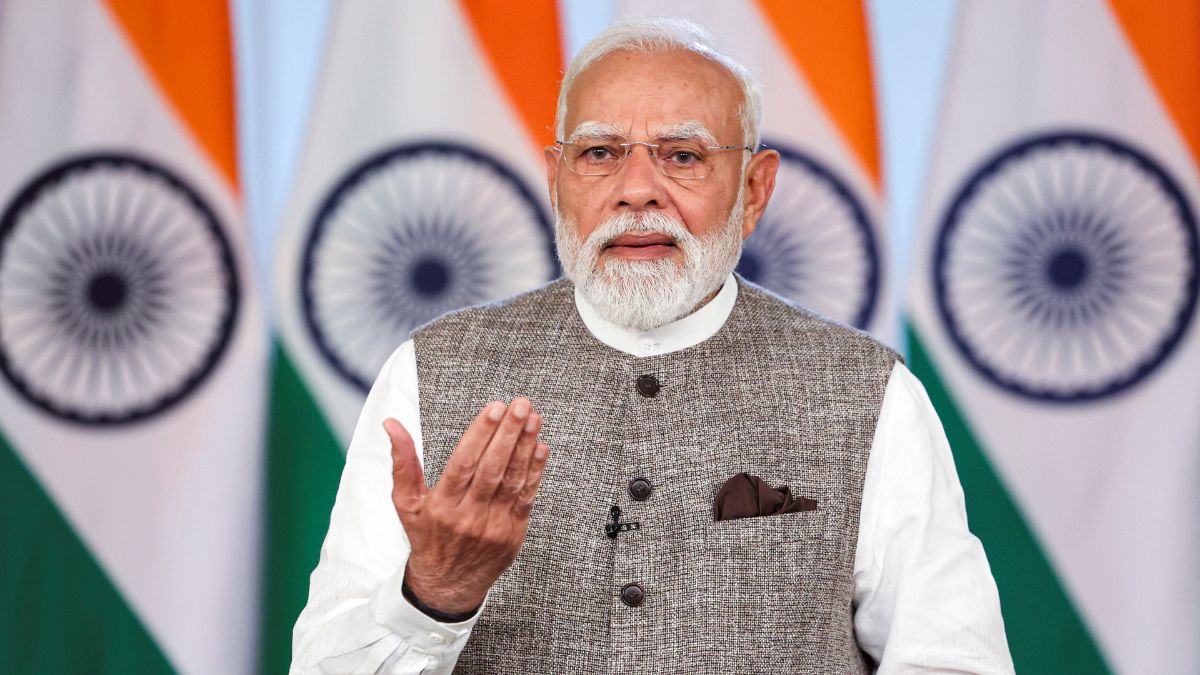
The Election Commission of India will examine a formal complaint signed by more than 700 activists, former bureaucrats and citizens, including CPI(M)’s Sandosh Kumar, alleging that the Prime Minister’s 18 April 2026 address to the nation breached the Model Code of Conduct (MCC). The address — carried on Doordarshan and All India Radio mid-polls — criticised the Opposition for blocking the Constitution (131st Amendment) Bill on 33% women’s reservation and delimitation. The signatories flag Section VII Clauses 1(a), 1(b) and 4 of the MCC, plus the use of publicly funded broadcast infrastructure as partisan electioneering. Congress, CPI(M) and CPI have filed separate complaints.
Why it matters for CLAT: The MCC’s statutory backing was clarified by the Supreme Court in S. Subramaniam Balaji v State of TN (2013). Art 324 gives the ECI plenary powers of superintendence (Mohinder Singh Gill, 1978). The relevant guards are RP Act 1951 Sec 123 (corrupt practices, including undue influence), Sec 126 (48-hour silence window before poll) and the post-Anoop Baranwal (2023) appointments reform. Expect a Legal Reasoning passage built around “plenary-but-bounded” ECI power.
Constitutional & Legal Framework
- Article 324 — Superintendence, direction and control of elections vested in the ECI
- Article 329(b) — No election shall be called in question except by an election petition before the High Court
- RP Act 1951 Sec 123 — Corrupt practices — includes bribery, undue influence, appeals on religion/caste, false statements
- RP Act 1951 Sec 126 — Prohibits public meetings and broadcasts in a constituency during the 48 hours before poll
- Mohinder Singh Gill v CEC (1978) — Art 324 is a ‘reservoir of power’ — but exercisable only subject to natural justice and judicial review
- S Subramaniam Balaji v State of TN (2013) — MCC does not have statutory force per se, but is enforceable by ECI through Art 324 directions
- Anoop Baranwal v UoI (2023) — CEC and ECs to be appointed by a committee of PM, LoP and CJI (pending legislation — SC framework)
- Union of India v Harbans Singh Jalal (1997) — ECI may postpone polls if MCC breaches cannot be effectively prevented
- Abhiram Singh v C.D. Commachen (2017) — Sec 123(3) — appeal to voters on religion/caste/community/language is a corrupt practice on BOTH sides of the ‘his religion’ debate
CLAT Angle — How This Gets Tested
- MCC is NOT statutory: The MCC is a voluntary code of conduct — but its enforcement derives from Art 324 directions. Do NOT confuse it with the RP Act 1951. Balaji (2013) is the authority.
- Sec 126 silence window: 48 hours before the hour fixed for poll conclusion. A nation-address broadcast during this window in any polling constituency is per se violative of Sec 126.
- Undue influence (Sec 123(2)): Interference with free exercise of electoral rights by a public figure using governmental machinery can amount to a corrupt practice — but only against election of the specific candidate.
- Art 329(b) bar: Election disputes reach the HC only through an election petition post-result. Pre-poll MCC complaints go to the ECI under Art 324, not the courts directly.
Key Facts at a Glance
| Date of PM’s address | 18 April 2026 |
| Broadcast medium | Doordarshan + All India Radio + private channels |
| Subject | 131st Constitutional Amendment Bill — 33% women’s reservation; delimitation |
| Complainants | 700+ citizens, ex-bureaucrats; CPI, CPI(M), Congress |
| Alleged MCC provisions breached | Section VII Clauses 1(a), 1(b), 4 |
| ECI status | Examining — no ruling yet |
| Governing case | S Subramaniam Balaji (2013) on MCC enforceability |
| Silence-window law | Sec 126 RP Act 1951 — 48 hrs before poll |
The constitutional shape of the dispute. Under Balaji (2013), the MCC’s moral force is converted into legal bite by Art 324. The ECI’s options range from a censure to barring further campaigning by the person complained against. The tougher question — whether a nationwide broadcast during an active poll cycle constitutes “undue influence” under RPA s.123(2) — would matter only in a post-result election petition under Art 329(b), and only vis-à-vis a specific candidate’s election. For CLAT purposes, this case is about Art 324 plenary power + MCC enforceability + Sec 126 silence window.
Mnemonic — 324 + 126 = MCC live
Art 324 = ECI’s power tap · MCC = voluntary but enforced via 324 (Balaji 2013) · Sec 126 = 48-hr silence · Sec 123 = corrupt practices. Art 329(b) = courts wait for the election petition. Anoop Baranwal (2023) = appointments reform pending.
Likely exam questions. (1) The Model Code of Conduct derives its enforceability from which constitutional provision? (2) The 48-hour pre-poll silence window is statutorily located in which section of RPA 1951? (3) Which case held that the MCC does not have statutory force per se but is enforceable by the ECI? (4) Art 329(b) bars courts from entertaining election disputes otherwise than through which instrument? (5) Legal reasoning — can the ECI postpone polls if MCC violations cannot be effectively contained?
Test Yourself — 10 MCQs
Click each option to reveal the answer and explanation.
Practice Quiz — 10 CLAT-Style Questions
Click an option to reveal the answer and explanation.






