
CURRENT AFFAIRS | MAY 6, 2026
CLAT GK + INTERNATIONAL ORGANISATIONS
In a landmark development for international environmental law, the BBNJ Agreement — officially the Agreement under the United Nations Convention on the Law of the Sea on the Conservation and Sustainable Use of Marine Biological Diversity of Areas Beyond National Jurisdiction — entered into force in January 2026, after crossing the required threshold of 60 ratifications.
This is the first legally binding international instrument specifically designed to protect biodiversity in the high seas — the vast ocean areas beyond any nation’s Exclusive Economic Zone. The high seas cover approximately 60% of the ocean surface and about 95% of the ocean volume, yet were largely ungoverned in terms of biodiversity protection for 40 years after UNCLOS was adopted in 1982.
Constitutional Framework: How India Implements International Treaties
Article 253 of the Constitution: “Notwithstanding anything in the foregoing provisions of this Chapter, Parliament has power to make any law for the whole or any part of the territory of India for implementing any treaty, agreement or convention with any foreign country or countries or any decision made at any international conference, association or other body.”
This Article overrides the normal federal division of powers between Union and States. Even if a treaty subject falls under the State List (e.g., fisheries, ports, inland waterways), Parliament can legislate to implement India’s international obligations under that treaty. This is how India can enact domestic legislation to comply with BBNJ obligations.
Article 51(c) (DPSP): India shall foster respect for international law and treaty obligations — providing the constitutional policy basis for India’s participation in and support for the BBNJ Agreement.
The UNCLOS Framework: Essential for CLAT
BBNJ is a child treaty of UNCLOS. To understand BBNJ, you must first master the UNCLOS maritime zones — one of CLAT’s most-tested GK topics:
| Zone | Extent from baseline | State rights |
|---|---|---|
| Territorial Sea | 12 nautical miles | Full sovereignty (innocent passage allowed) |
| Contiguous Zone | 24 nautical miles | Customs, immigration, fiscal, sanitary enforcement |
| Exclusive Economic Zone (EEZ) | 200 nautical miles | Sovereign rights over natural resources |
| Continental Shelf | Up to 350 nautical miles | Rights over seabed resources |
| High Seas (ABNJ) | Beyond 200nm | Freedom of navigation — BBNJ now governs biodiversity here |
Key Provisions of the BBNJ Agreement
1. Marine Protected Areas (MPAs) on the High Seas
For the first time, countries can now collectively designate Marine Protected Areas in the high seas through a Conference of Parties (CoP) mechanism. Previously, there was no international body with this authority. This is BBNJ’s most significant innovation.
2. Environmental Impact Assessment (EIA)
Activities in the high seas that may cause substantial pollution or significant harmful changes to the marine environment must undergo a mandatory Environmental Impact Assessment. This applies to deep-sea mining, large-scale fishing operations, and other commercial activities.
3. Marine Genetic Resources (MGRs) and Benefit Sharing
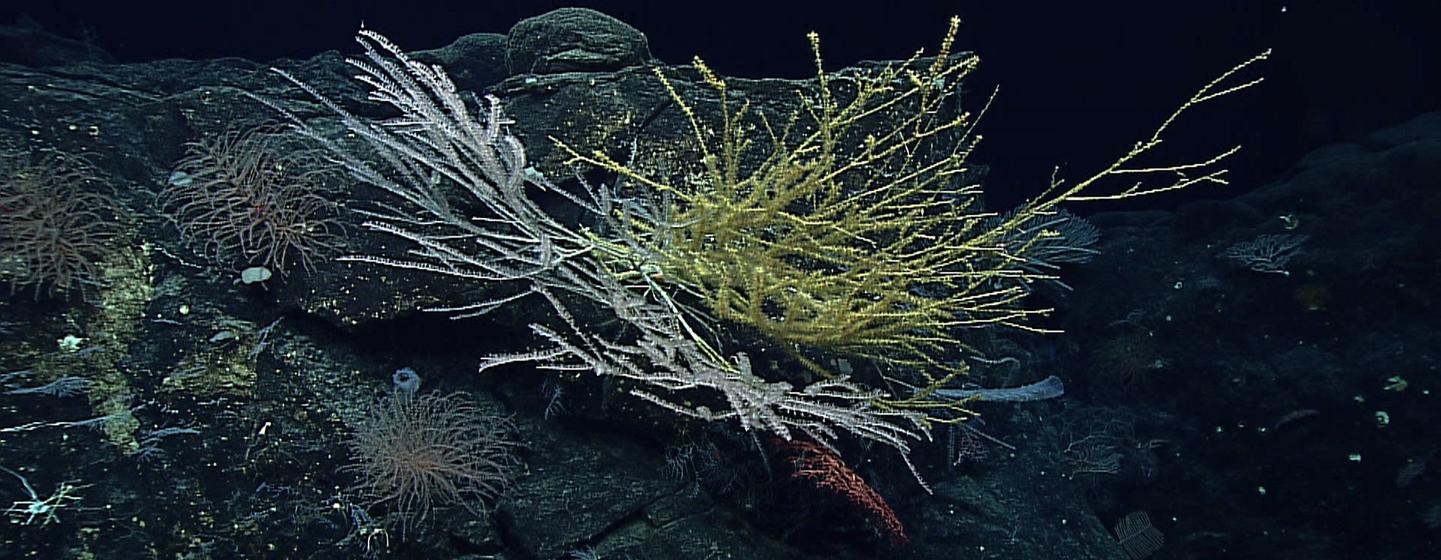
Deep-sea creatures (especially extremophiles near hydrothermal vents) contain unique genetic material valuable for pharmaceuticals, industrial enzymes, and cosmetics. Companies from developed nations had been collecting these MGRs freely — BBNJ now requires fair and equitable benefit sharing with developing nations, similar to the Nagoya Protocol for terrestrial biodiversity.
4. Capacity Building and Technology Transfer
Developed nations must support developing countries with technology transfer and capacity building for marine research, helping them participate meaningfully in high seas governance.
CLAT Angle: Why This Gap Existed for 40 Years
UNCLOS 1982 was a landmark achievement — it codified the law of the sea, established maritime zones, and created institutions like ITLOS and ISA. But it had a significant gap: it provided for freedom of the high seas (fishing, navigation, scientific research) without creating any mechanism to protect high seas biodiversity.
The result: declining fish stocks, deep-sea mining threats, bioprospecting without benefit sharing, and no ability to create protected areas. BBNJ fills this governance gap — 40 years after UNCLOS was adopted.
India’s SAGAR doctrine (Security And Growth for All in the Region — announced 2015) emphasizes India’s interest in a rule-based maritime order for the Indian Ocean. Supporting BBNJ aligns with this doctrine.
ITLOS vs PCA distinction (commonly tested):
- ITLOS (International Tribunal for the Law of the Sea): Based in Hamburg, Germany. Permanent judicial body under UNCLOS. Hears UNCLOS-related disputes between states and gives advisory opinions.
- PCA (Permanent Court of Arbitration): Based in The Hague, Netherlands. Not a UNCLOS body but can administer UNCLOS Annex VII arbitrations (like Philippines v China, 2016).
- ISA (International Seabed Authority): Based in Kingston, Jamaica. Regulates deep-sea mining in “The Area” (international seabed beyond national jurisdiction).
Key Facts at a Glance
| BBNJ entered into force | January 2026 (after 60 ratifications) |
| High seas coverage | ~60% ocean surface, ~95% ocean volume |
| UNCLOS adopted | 1982 (Jamaica); in force 1994; India ratified 1995 |
| ITLOS location | Hamburg, Germany |
| ISA location | Kingston, Jamaica |
| India’s EEZ | 2.37 million sq km |
| BBNJ key provisions | MPAs, EIA, MGR benefit sharing, capacity building |
| Article 253 (India) | Parliament can implement treaties even on State List subjects |
Memory Mnemonic: BBNJ MEAP
BBNJ = Born at 60 ratifications (entered into force January 2026)
Marine Genetic Resources — fair benefit sharing with developing nations
EIA mandatory — for activities causing significant harm in high seas
Areas Beyond National Jurisdiction — 60% of ocean surface
Protected Areas — CoP can now designate MPAs in high seas
For UNCLOS zones, remember: 12 — 24 — 200 — 350 (Territorial Sea — Contiguous Zone — EEZ — Continental Shelf)
For institutions: “ITLOS Hamburg, ISA Jamaica, ICJ The Hague”
Practice Quiz: BBNJ, UNCLOS & High Seas Law
Practice Quiz — 10 CLAT-Style Questions
Click an option to reveal the answer and explanation.