
CURRENT AFFAIRS | MARCH 23, 2026 | CLAT GK + LEGAL
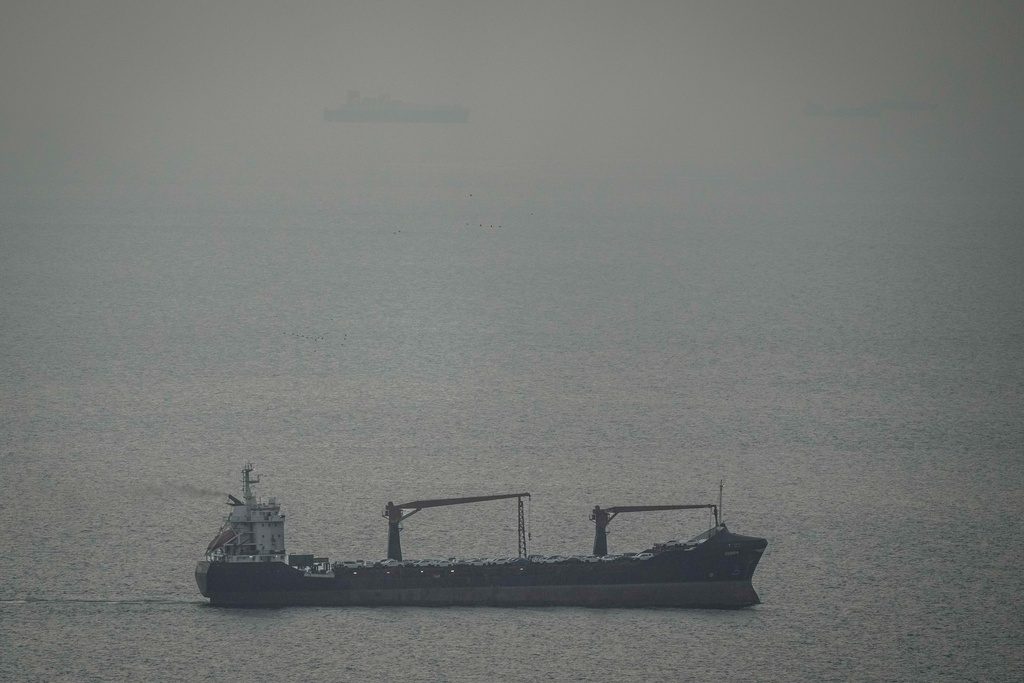
US President Donald Trump issued Iran an 18-hour ultimatum — accept a nuclear deal or face military strikes. Iran responded by threatening to close the Strait of Hormuz, the world’s most critical oil shipping chokepoint carrying 20% of global oil supply. India’s Cabinet Committee on Security (CCS), chaired by PM Modi, convened urgently — with a team of Ministers and Secretaries tasked to prepare India’s contingency plan.
Why CLAT 2027 Aspirants Must Know This
This crisis spans GK (international current affairs) and Legal Reasoning (international maritime law, UNCLOS, constitutional machinery). CLAT passages regularly test knowledge of geopolitical flashpoints, India’s energy security, international organisations (IAEA), and how India’s constitutional framework responds to security crises. The Strait of Hormuz has appeared in CLAT GK sections multiple times.
Key Facts at a Glance
- Trump issued Iran an 18-hour ultimatum to accept nuclear deal terms or face strikes
- Iran warned of full closure of the Strait of Hormuz if attacked by the US
- Strait of Hormuz is ~33 km wide at its narrowest; located between Iran and Oman
- ~20% of global oil trade (17–18 million barrels/day) passes through the Strait
- India imports ~60% of its crude oil from Gulf nations — highly vulnerable to any closure
- India’s CCS (Cabinet Committee on Security) chaired by PM Modi convened urgently
- The standoff stems from Trump’s “maximum pressure” campaign — JCPOA was abandoned in 2018
- India’s Strategic Petroleum Reserve (SPR) holds ~9.5 million metric tonnes at Vizag, Mangalore, Padur
- Iran’s nuclear enrichment is monitored by the IAEA (HQ: Vienna, Austria)
- LPG prices globally already under severe stress due to the West Asia conflict
Key Terms and Definitions
| Term | Definition |
|---|---|
| Strait of Hormuz | Narrow waterway connecting Persian Gulf to Gulf of Oman; world’s most critical oil transit chokepoint (~20% global oil trade) |
| JCPOA | Joint Comprehensive Plan of Action — 2015 nuclear deal between Iran and P5+1 (US, UK, France, Russia, China + Germany); abandoned by Trump in 2018 |
| CCS (India) | Cabinet Committee on Security — India’s apex national security body; chaired by PM; includes Defence, Home, External Affairs, Finance Ministers |
| IAEA | International Atomic Energy Agency — autonomous body under the UN system; monitors nuclear activities globally; Vienna, Austria |
| Transit Passage | UNCLOS right (Articles 37-44) allowing ships to pass through international straits used for navigation — cannot be suspended by coastal states |
| Maximum Pressure | Trump’s Iran strategy of reimposing comprehensive economic sanctions to force nuclear renegotiation |
Constitutional and Legal Framework
- Article 253, Indian Constitution: Empowers Parliament to make laws to implement international treaties and agreements with foreign countries
- UNCLOS — Transit Passage (Art. 37–44): Governs passage through international straits; states cannot suspend transit passage rights even in times of tension
- UN Charter, Chapter VII: Security Council can authorize military action if international peace is threatened — invoked in past Iran sanctions resolutions
- NPT (Nuclear Non-Proliferation Treaty, 1968): Iran is a signatory; its enrichment activities are disputed under NPT obligations
- India’s SPR Policy: India maintains strategic oil reserves under ISPRL to buffer against supply shocks; currently ~9.5 MMT capacity
Quick Takeaways for CLAT 2027
- Hormuz = Persian Gulf + Gulf of Oman; 33 km wide; 20% global oil passes through it
- JCPOA (2015) = Iran nuclear deal with P5+1; abandoned by Trump in 2018
- CCS = India’s apex security body, chaired by PM — activated during crises
- IAEA = UN-linked nuclear watchdog based in Vienna — monitors Iran’s enrichment
- UNCLOS Transit Passage = cannot be blocked even by coastal state (Iran)
- Article 253 = Parliament’s power to legislate on international treaty obligations
- India’s vulnerability: 60% crude from Gulf; SPR = 9.5 MMT at 3 locations
Practice Quiz — 10 CLAT-Style Questions
Click an option to check your answer. Explanations appear after each attempt.