
CURRENT AFFAIRS | 1 MAY 2026
CLAT GK + Economy / IntlOrg / Energy
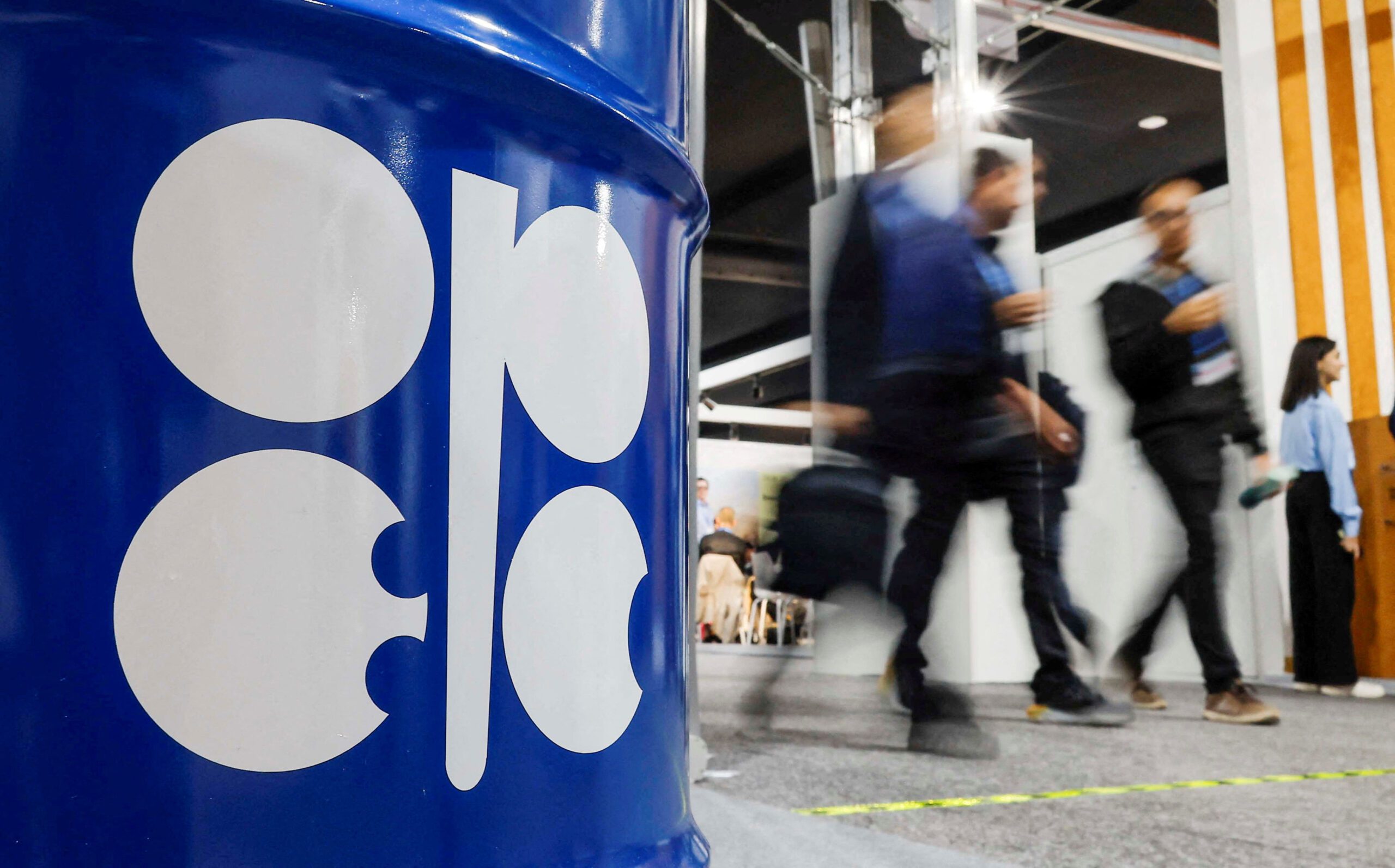
The United Arab Emirates, after almost 60 years of membership, has announced its exit from the OPEC and OPEC+ alliances, effective 1 May 2026. The departure removes the third-largest producer in the cartel and one of its few holders of meaningful spare capacity. The decision lands amid an unprecedented energy shock: Brent crude has touched levels around $120/barrel against the backdrop of the ongoing US-Israel-Iran conflict and tensions in the Strait of Hormuz.
An Indian Express editorial (“UAE exiting OPEC wounds a cartel already far from peak”) argues that the move accelerates the unraveling of OPEC’s pricing discipline, even as it removes a swing-vote that often sided with Saudi Arabia.
What Happened
The UAE cited “national interests” — particularly its desire to ramp up production beyond its OPEC quota as it pushes its post-oil energy transition agenda. The exit weakens OPEC’s ability to set unified production targets and gives Saudi Arabia a freer hand as the cartel’s swing producer. For oil markets, the shock cuts both ways: short-term volatility, but possibly softer prices over the medium term as UAE pumps freely.
OPEC — A Quick History
OPEC was founded in September 1960 at Baghdad by Iran, Iraq, Kuwait, Saudi Arabia and Venezuela. The UAE joined in 1967. OPEC’s peak influence came with the 1973 Arab oil embargo, which sent prices soaring. OPEC+, formed in late 2016, brought in Russia and other non-OPEC producers, restoring co-ordination after the US shale boom. OPEC is headquartered in Vienna.
Constitutional & Legal Framework — India’s Energy Security
- Union List, Entry 53 (Seventh Schedule) — petroleum and petroleum products is a Union subject; the Centre regulates pricing, refining, imports.
- Petroleum Act, 1934 & Petroleum and Natural Gas Regulatory Board Act, 2006 — domestic regulatory framework.
- Indian Strategic Petroleum Reserves Ltd (ISPRL) — manages SPRs at Visakhapatnam, Mangaluru, Padur; combined ~5.33 MMT, roughly 9.5 days of imports.
- Article 246 + Seventh Schedule — basis of Union legislative competence.
- International Energy Agency (IEA) — India is an Association Country (since 2017); IEA-coordinated stock releases supplement India’s SPR.
Why This Matters for India
India imports over 85% of its crude oil — making us among the most exposed major economies. Roughly 40% of imports transit the Strait of Hormuz. A weaker OPEC means: (a) more price volatility in the short term, (b) potentially softer prices as discipline breaks down, (c) a wider supplier pool — India has already diversified to Russia (now ~35%), the US, Brazil and Guyana. India’s response toolkit: SPRs, the rupee-trade arrangement with Russia, green hydrogen push (National Green Hydrogen Mission, 2023), and biofuel blending (E20 by 2025).
CLAT 2027 — Why You Must Know This
This is a high-frequency GK + Economy topic. Memorise: OPEC founded 1960 Baghdad, HQ Vienna, founders (5), UAE joined 1967, OPEC+ 2016. India’s SPR locations and ISPRL. Strait of Hormuz handles ~20% of global oil. Tie to Article 246 + Union List Entry 53.
Key Facts at a Glance
| UAE EXIT EFFECTIVE | 1 May 2026 |
| UAE OPEC TENURE | Joined 1967 (~59 years) |
| OPEC FOUNDED | 1960, Baghdad |
| OPEC HQ | Vienna, Austria |
| OPEC+ FORMED | December 2016 (with Russia +9 others) |
| INDIA CRUDE IMPORT DEP. | ~85%+ |
| INDIA SPR SITES | Visakhapatnam · Mangaluru · Padur |
Mnemonic
“I-I-K-S-V” for OPEC’s 5 founders — Iran · Iraq · Kuwait · Saudi Arabia · Venezuela. UAE joined in 1967, exits in 2026.
Test Your Knowledge — 10 Question Quiz
Take this quick quiz to lock in the concepts:
Practice Quiz — 10 CLAT-Style Questions
Click an option to reveal the answer and explanation.
Source: Al Jazeera / Reuters / Indian Express, 29–30 April 2026.