
CURRENT AFFAIRS | 11 APRIL 2026
CLAT GK + INTERNATIONAL RELATIONS & CONSTITUTIONAL LAW
Islamabad Becomes the Centre of Global Diplomacy
In a historic development, the United States and Iran have begun face-to-face peace negotiations in Islamabad, Pakistan, marking the first direct diplomatic engagement between the two nations since the outbreak of the 2026 Iran conflict six weeks ago. The stakes could not be higher — a fragile ceasefire hangs in the balance, global oil markets watch the Strait of Hormuz anxiously, and the spectre of wider regional conflict looms large.
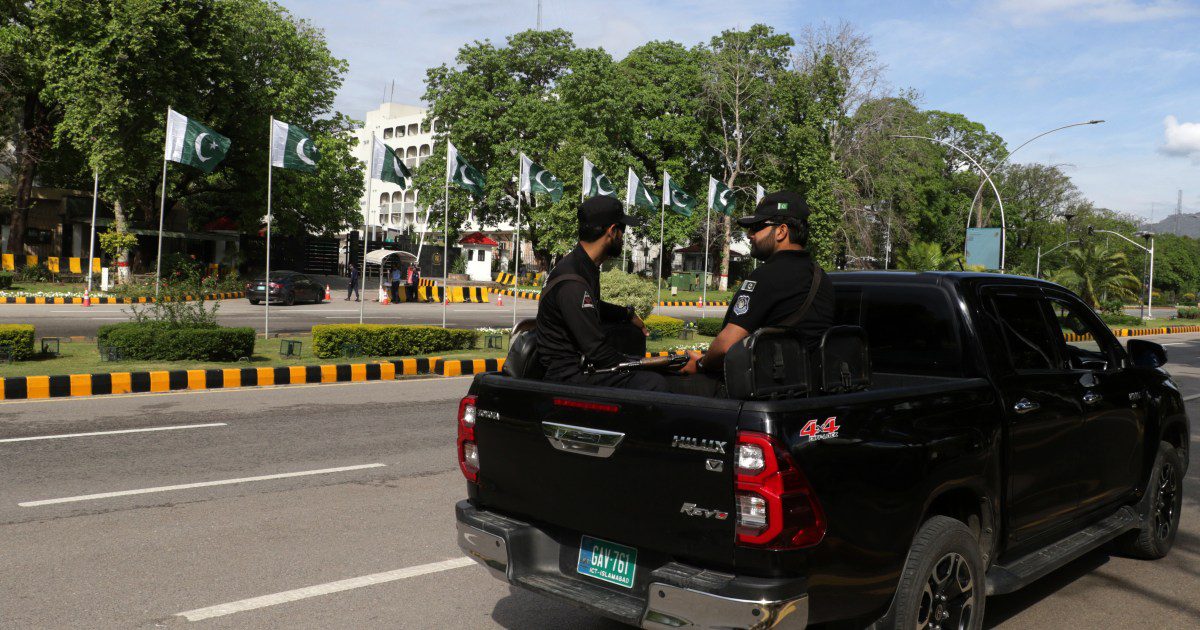
Pakistan deployed over 10,000 police personnel, Rangers, and paramilitary forces to secure the capital. Interior Minister Mohsin Naqvi personally reviewed the security arrangements, with Islamabad’s Red Zone completely locked down. The level of security reflects both the sensitivity of the negotiations and Pakistan’s determination to establish itself as a credible mediator on the world stage.
Who Is at the Table?
US Vice President JD Vance boarded Air Force Two for Pakistan, leading the American delegation alongside President Trump’s envoy Steve Witkoff and son-in-law Jared Kushner. Before departure, Vance issued a pointed warning to Tehran, cautioning Iran not to “play” the United States in these negotiations.
The Iranian delegation is led by Parliament Speaker Mohammad Bagher Ghalibaf and Foreign Minister Abbas Araghchi. Iran has put forward a 10-point peace proposal that includes Iranian oversight of the Strait of Hormuz, withdrawal of US combat forces from the Middle East, and cessation of military operations against allied armed groups.
The Strait of Hormuz: Why It Matters
The Strait of Hormuz, connecting the Persian Gulf to the Gulf of Oman, is the world’s most critical oil chokepoint. Approximately 20% of the world’s petroleum transits through this narrow waterway. Iran’s demand for oversight of the Strait directly engages principles of international maritime law, particularly the concept of transit passage under UNCLOS.
Under Article 38 of UNCLOS, all ships and aircraft enjoy the right of transit passage through straits used for international navigation. This right cannot be suspended or impeded, making Iran’s demand a potential flashpoint in the negotiations. The freedom of navigation through the Strait is not merely an economic issue — it is a cornerstone of the rules-based international order.
Pakistan’s Mediation Role
Pakistan’s PM Shehbaz Sharif brokered the two-week ceasefire on April 8, 2026, and extended an invitation to both delegations. This is a significant diplomatic achievement for Islamabad, which shares a border with Iran and has historically maintained relations with both Tehran and Washington. The mediation role echoes India’s own tradition of non-alignment and peaceful dispute resolution, enshrined in Article 51 of the Indian Constitution.
Constitutional & Legal Framework
- Article 51 (DPSP) — Directs the State to promote international peace, maintain just and honourable relations between nations, foster respect for international law and treaty obligations, and encourage settlement of disputes by arbitration.
- UN Charter Article 2(3) — All members shall settle international disputes by peaceful means so that international peace, security, and justice are not endangered.
- UNCLOS Article 38 — Right of transit passage through straits used for international navigation. Ships and aircraft of all States enjoy this right, which cannot be suspended.
- Vishaka v State of Rajasthan (1997) — International conventions not inconsistent with fundamental rights can be read into domestic law to fill legislative gaps. This principle is vital when examining how international treaties influence Indian jurisprudence.
CLAT Angle: Why This Matters for Your Exam
This topic is a goldmine for CLAT 2027 — it intersects international relations, constitutional law, and maritime law in a single news story. Expect questions on:
- Article 51 and India’s commitment to peaceful dispute resolution (DPSP questions)
- Difference between transit passage and innocent passage under UNCLOS
- How international conventions become part of Indian law (Vishaka principle)
- UN Charter’s framework for peaceful settlement of disputes (Chapter VI)
- Panchsheel principles and India’s non-alignment tradition
GK passages may include maps of the Strait of Hormuz, oil transit data, or diplomatic timeline questions.
Key Facts at a Glance
| Venue | Islamabad, Pakistan (Red Zone) |
| US Delegation | VP JD Vance, Steve Witkoff, Jared Kushner |
| Iran Delegation | Speaker Ghalibaf, FM Araghchi |
| Mediator | PM Shehbaz Sharif (Pakistan) |
| Security | 10,000+ police, Rangers deployed |
| Ceasefire Date | April 8, 2026 (two-week duration) |
| Key Waterway | Strait of Hormuz (20% global oil) |
| Iran’s Proposal | 10-point plan including Hormuz oversight |
Mnemonic: PEACE
P — Pakistan hosts (mediator role)
E — Engagement direct (US-Iran face-to-face)
A — Article 51 DPSP (international peace)
C — Ceasefire (April 8, two-week)
E — Energy chokepoint (Strait of Hormuz, UNCLOS Art 38)
Practice Quiz — 10 CLAT-Style Questions
Click an option to reveal the answer and explanation.